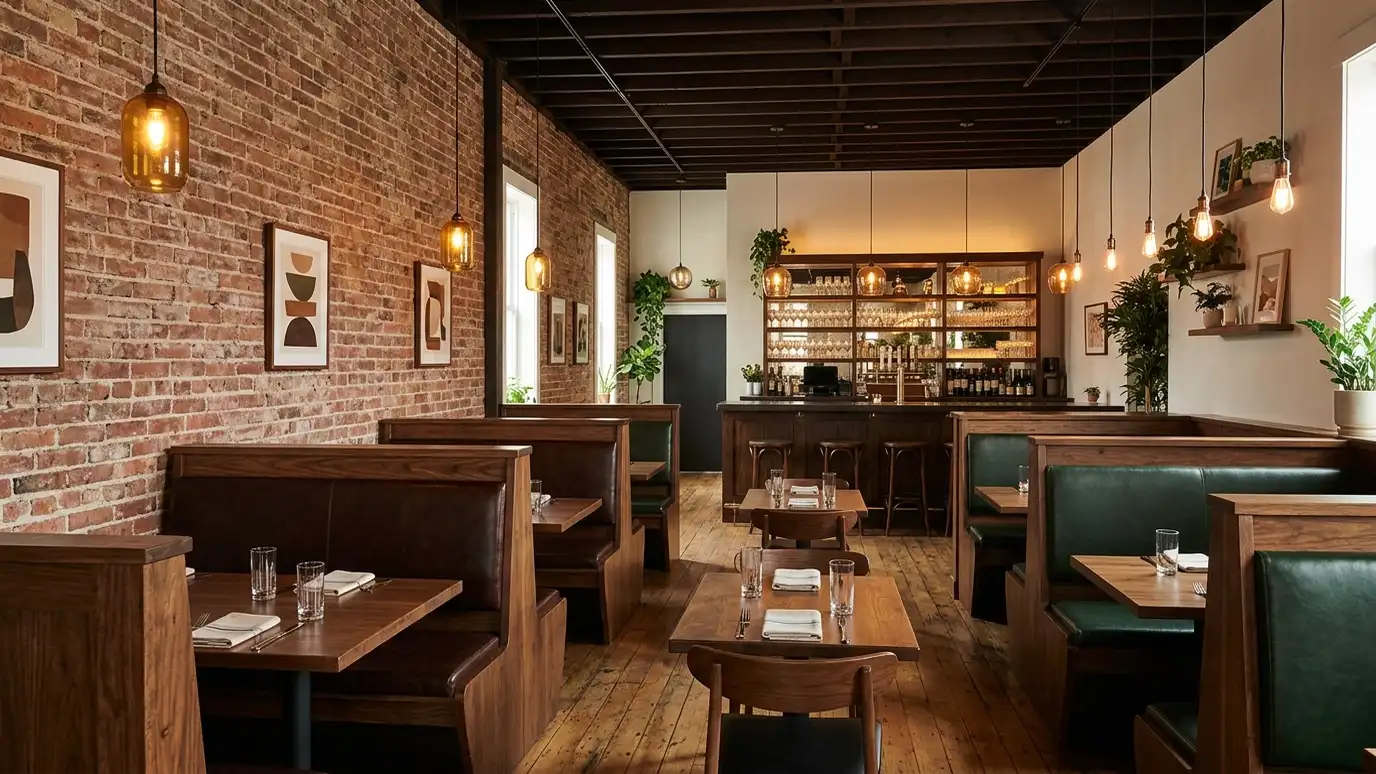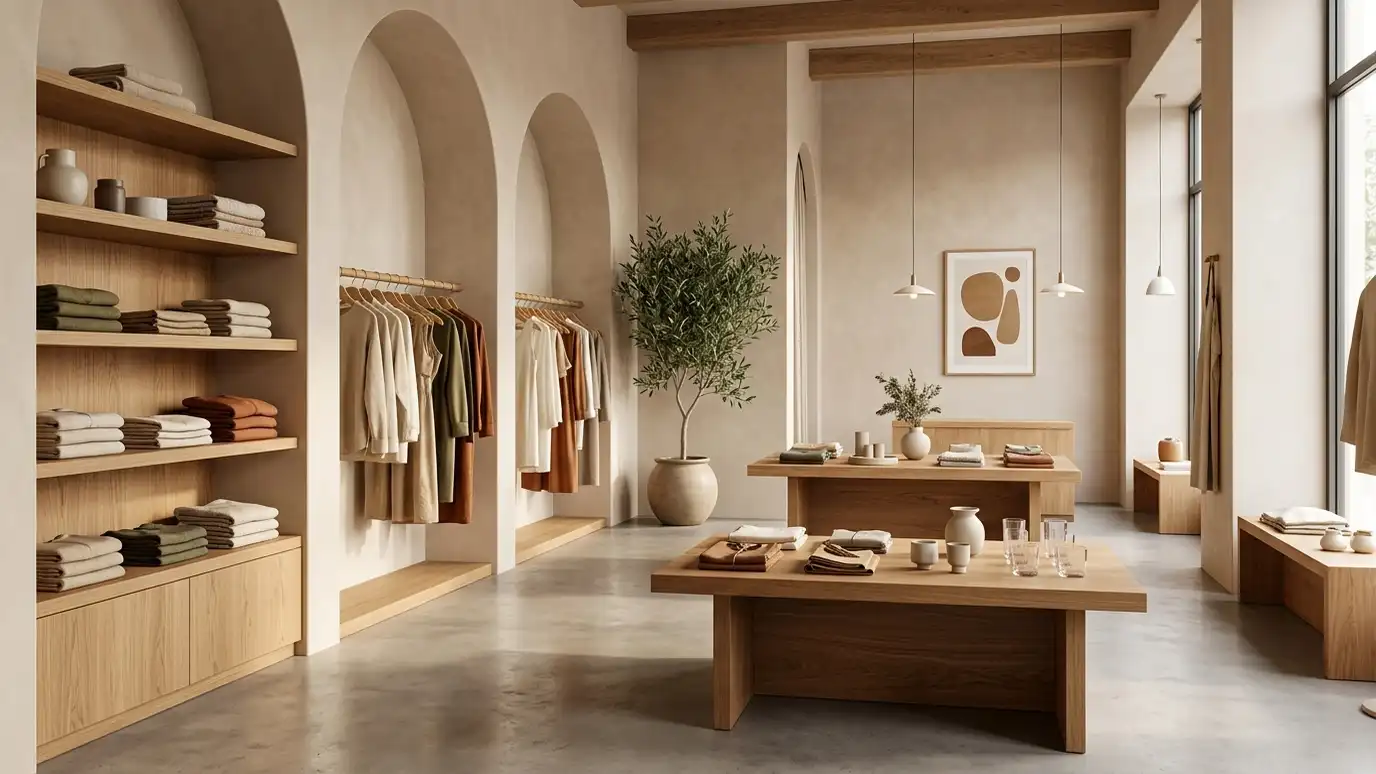
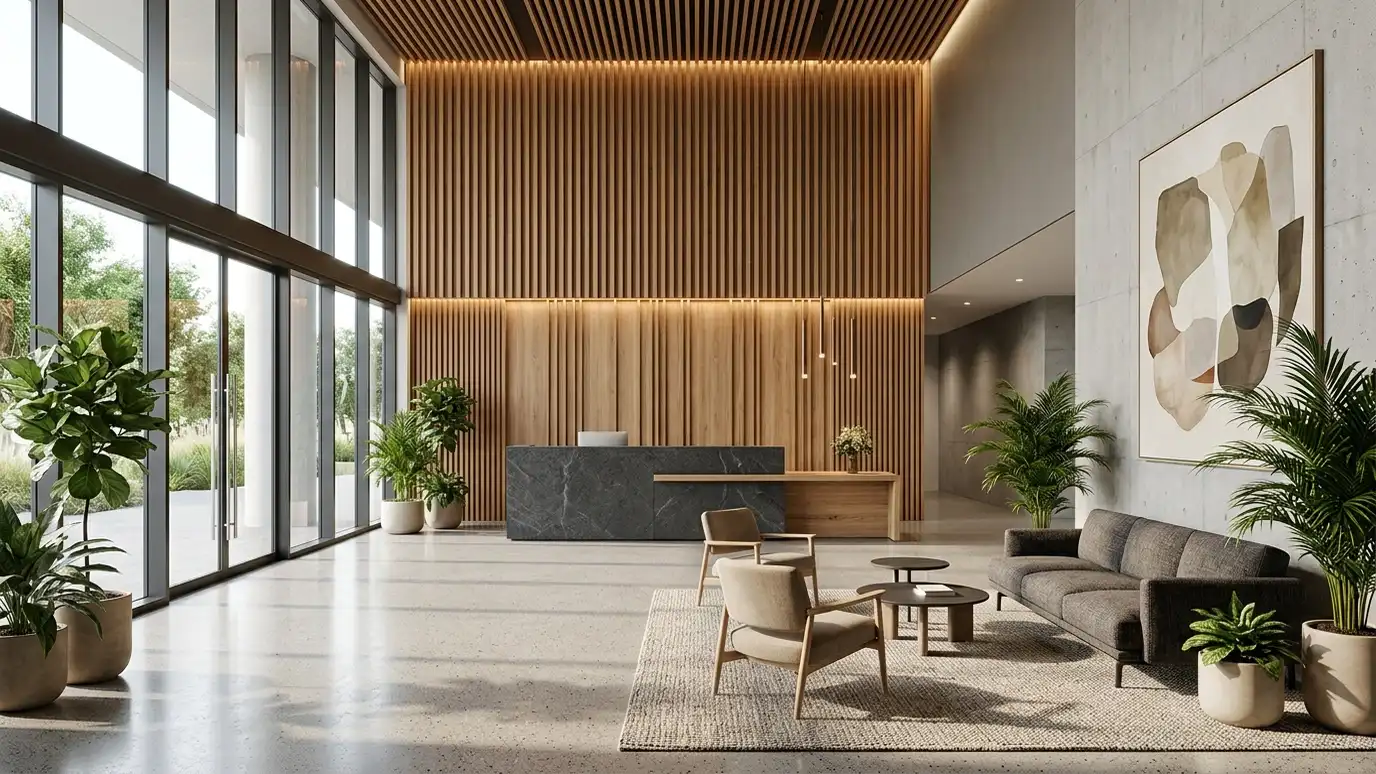
Start with the business
Write down how the business works: who comes in, how many staff, what equipment, what deliveries and what growth are expected. Define the experience you want customers to have.
Create a short brief with must-haves and nice-to-haves.
A clear brief makes every design decision easier.
Ask your staff what slows them down today. Their answers can shape a layout better than any assumption.
Choose the space carefully
Location, visibility, parking, access and neighbors matter, as do the size and condition of the space. A quick test fit shows whether your program works before you sign a lease.
Check zoning for your use and any limits on signs or hours.
Ask a designer to review the space with you.
Visit competing and complementary businesses and note what you like about the layout, lighting and sound.
Understand rules and leases
Commercial spaces must follow rules for exits, restrooms, fire safety, ventilation and access, and leases often add requirements for plans and contractors.
Ask early what your landlord and local officials require.
Your contractor and designer can help you prepare drawings for review.
Ask the landlord for a copy of the lease exhibits and building rules before you hire anyone.
Design the layout
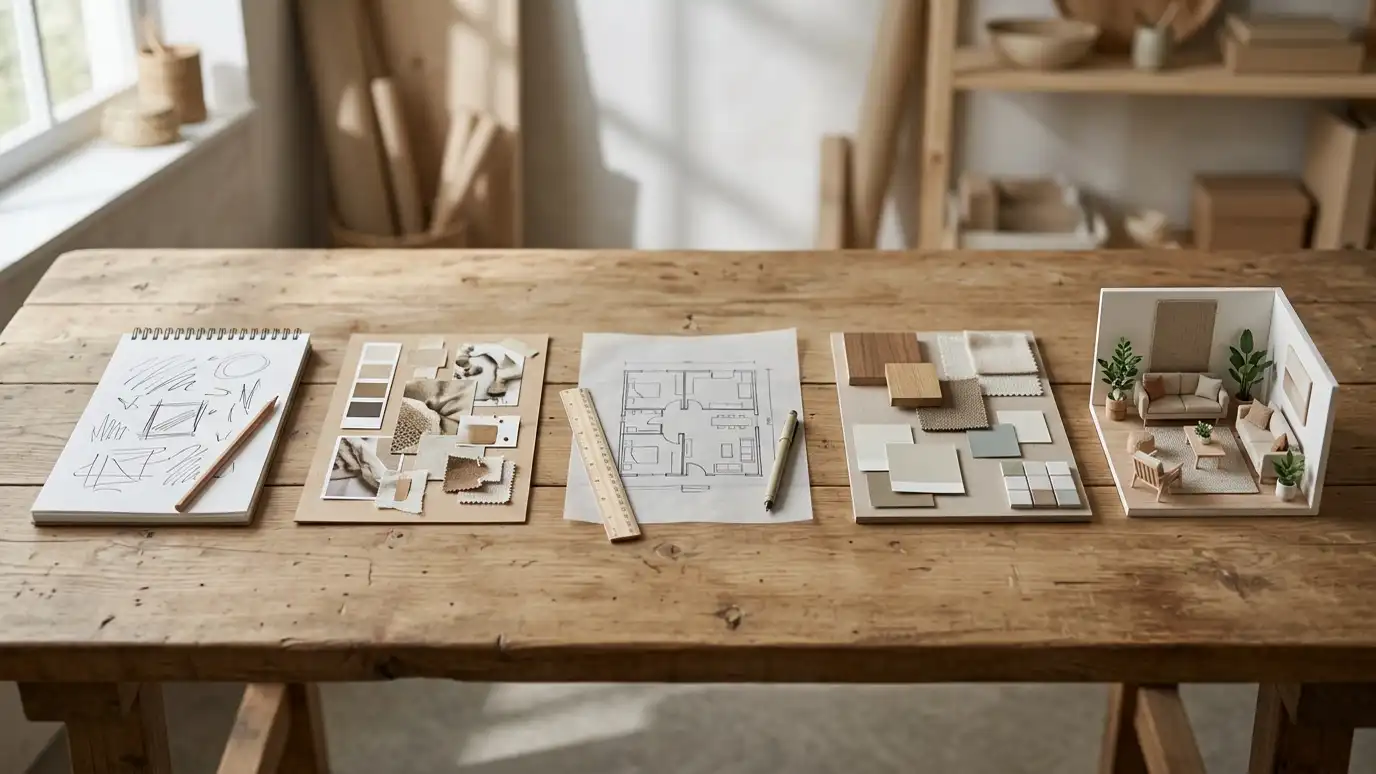
Plan customer flow, staff areas, storage and service points. Think about how people enter, wait, choose, pay and leave.
Allow for growth and change by choosing flexible furniture and fixtures.
Test the plan by walking through a typical day.
Walk the plan as a customer and as an employee. Note every place where a person might hesitate or collide.
Choose finishes for use
Commercial finishes must be durable, easy to clean and suited to the traffic. Think about flooring, wall protection, counters and seating.
Plan lighting that flatters people and products and makes tasks easy.
Add acoustic treatment where sound can be a problem.
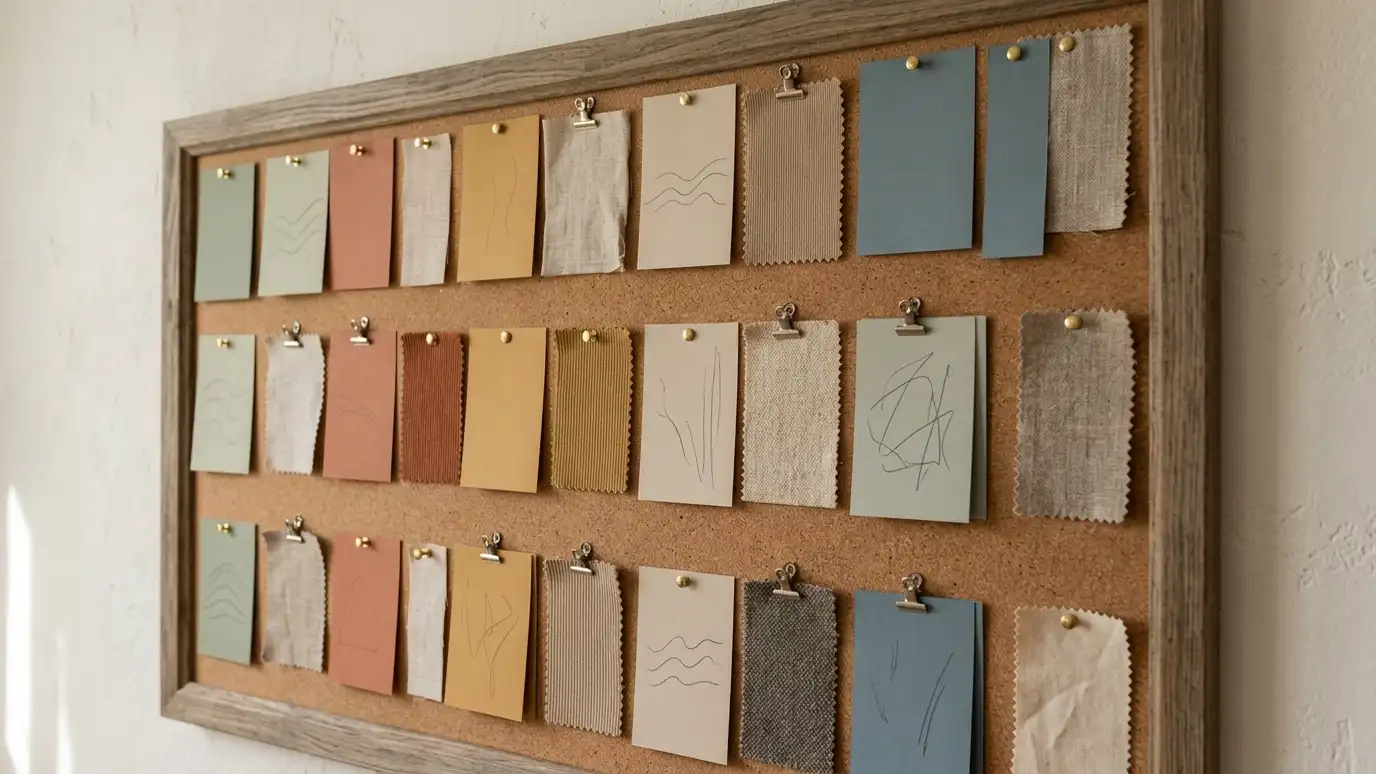
Choose a few sample finishes and test them for cleaning and wear before you order large quantities.
Plan the schedule
Design, approvals, long-lead items and construction all take time, and rent often starts before you can open. Plan backward from the opening date.
Order special equipment and furniture early.
Hold regular meetings to keep everyone aligned.
Create a punch list with your designer and contractor and agree who will fix each item before the opening.
Define the business first, test a space before you lease, learn the rules early and plan the schedule backward from opening day.