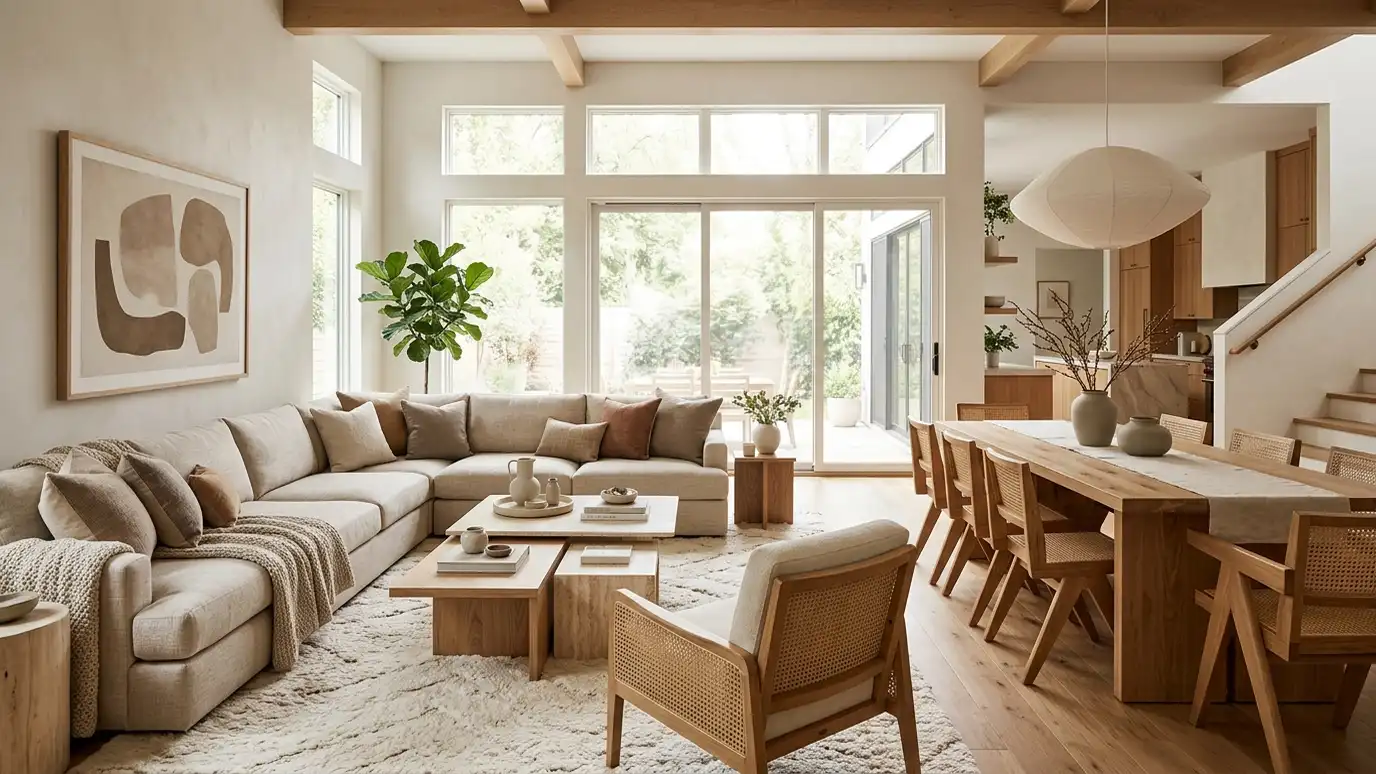
Start with a master plan
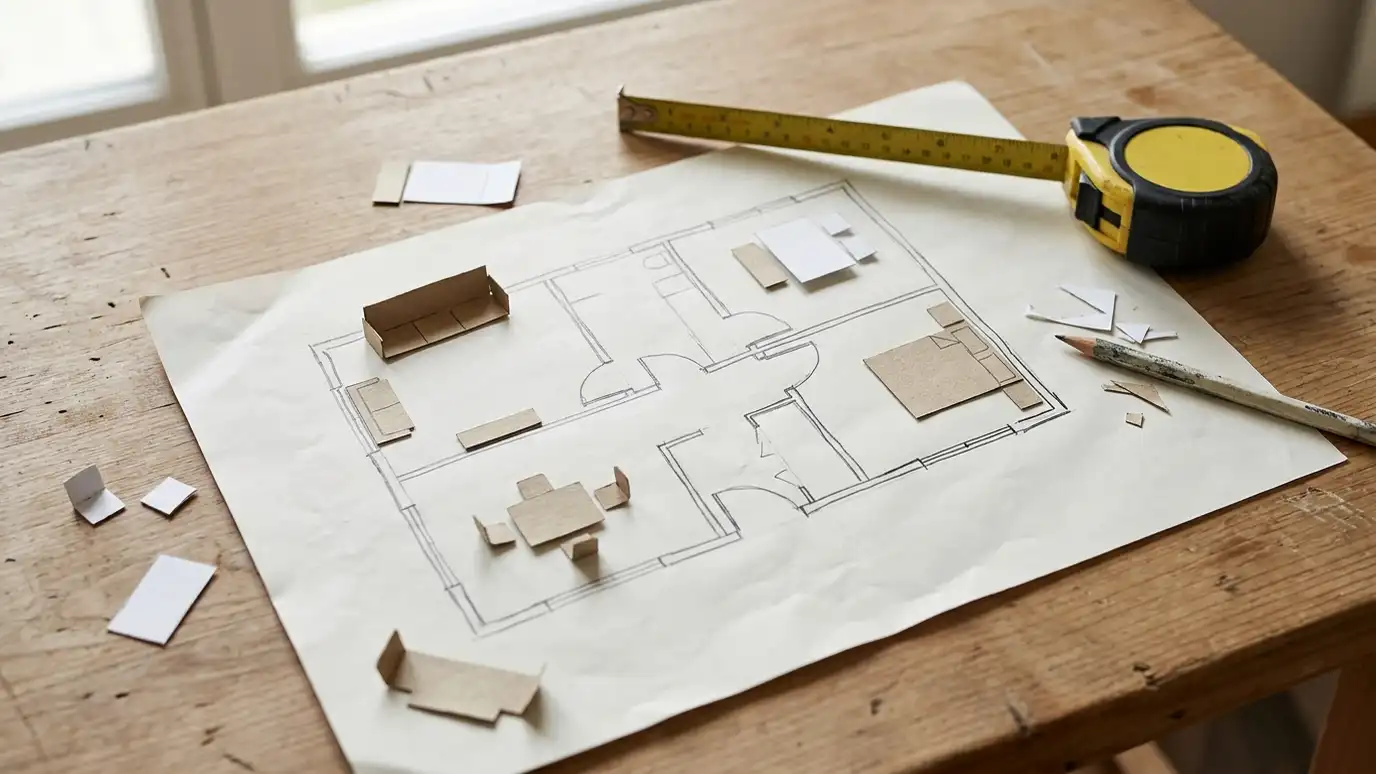
A whole-home project works best with a plan for the entire house before any single room is finished. The plan covers layout, palette, materials and a rough order of work.
Walk through the home with your designer and note what works, what annoys you and what you want to keep. Decide on priorities, such as a kitchen update or a calmer primary suite.
A master plan prevents the common problem of rooms that look nice alone but do not belong together.
Take photographs of every room before you begin, and note what you love and what you want to change. These notes become the foundation of the master plan.
Choose a shared palette
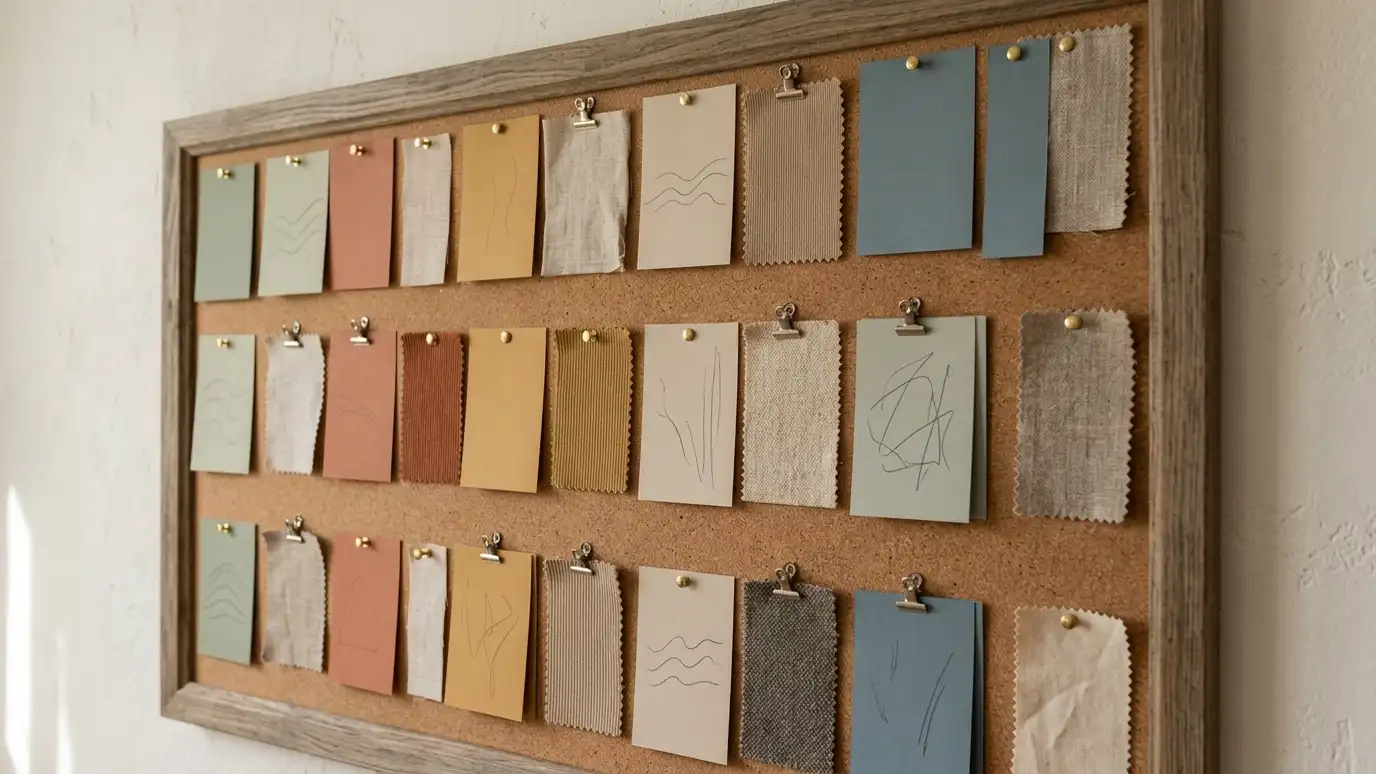
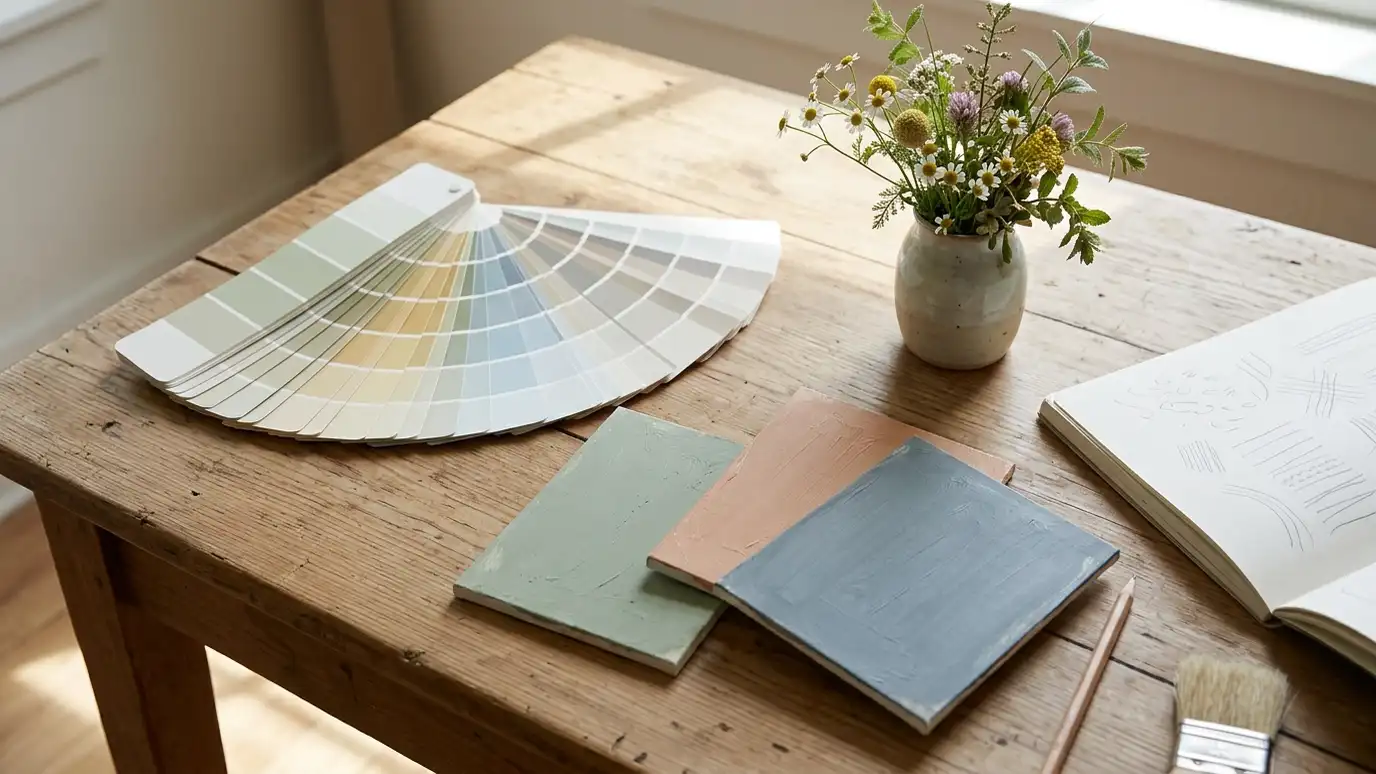
Pick a small family of colors and materials that run through the house: wall colors, flooring tones, metal finishes and a few fabrics. Rooms can have their own personality while sharing a thread.
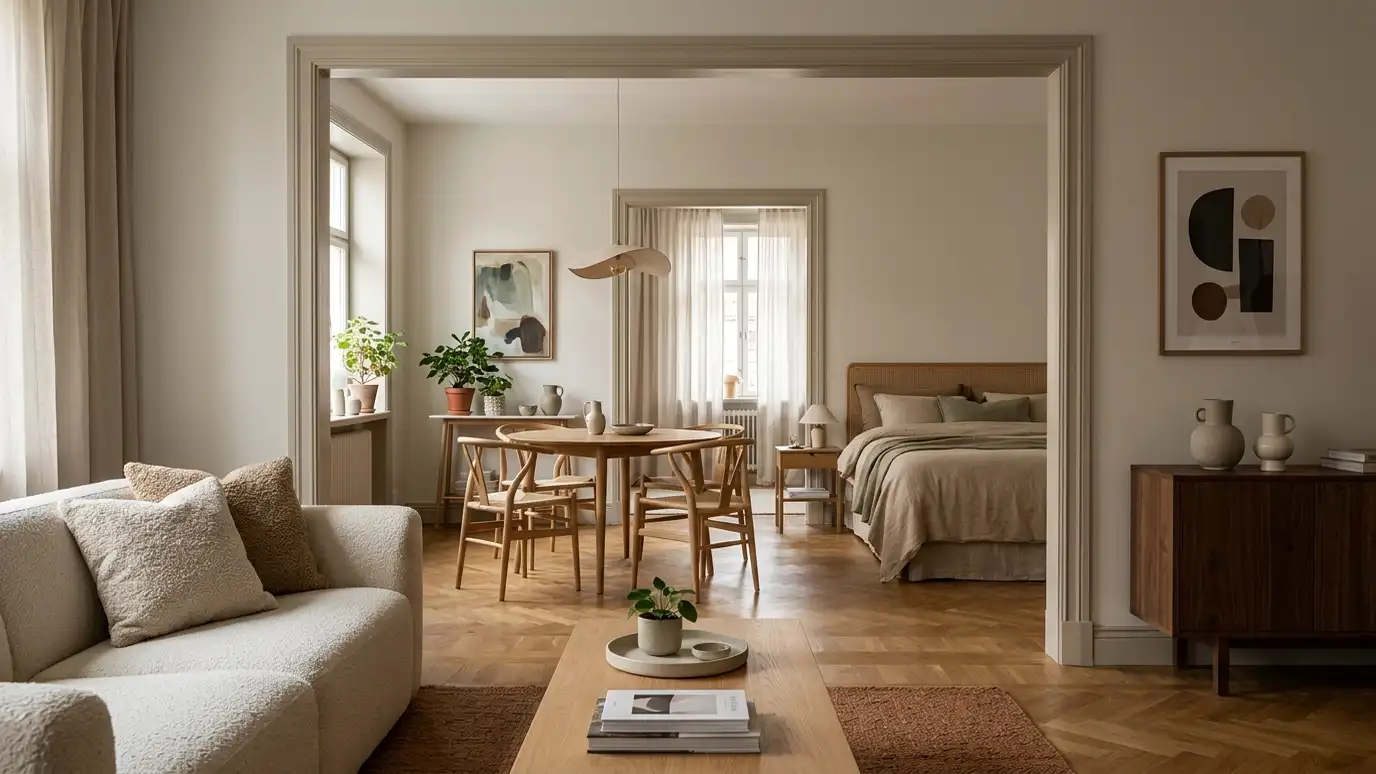
Consider sightlines. Colors seen from one room into another should feel related.
Test large samples in different rooms, since light changes the same color from space to space.
Sample your palette in the busiest rooms first. If it works in the hardest spaces, it will work across the house.
Decide the order of work
Do construction and messy work first: repairs, electrical, plumbing, flooring and paint. Then add built-ins, window treatments, lighting and furniture, and finish with art and accessories.
If you are phasing, start with the rooms you use most or the ones that affect the rest of the house, such as the entry or living room.
Keep a calendar so lead times and installation dates line up.
Create a simple calendar that shows when trades and deliveries are expected. Seeing the whole sequence prevents conflicts and wasted time.
Plan the budget by phase
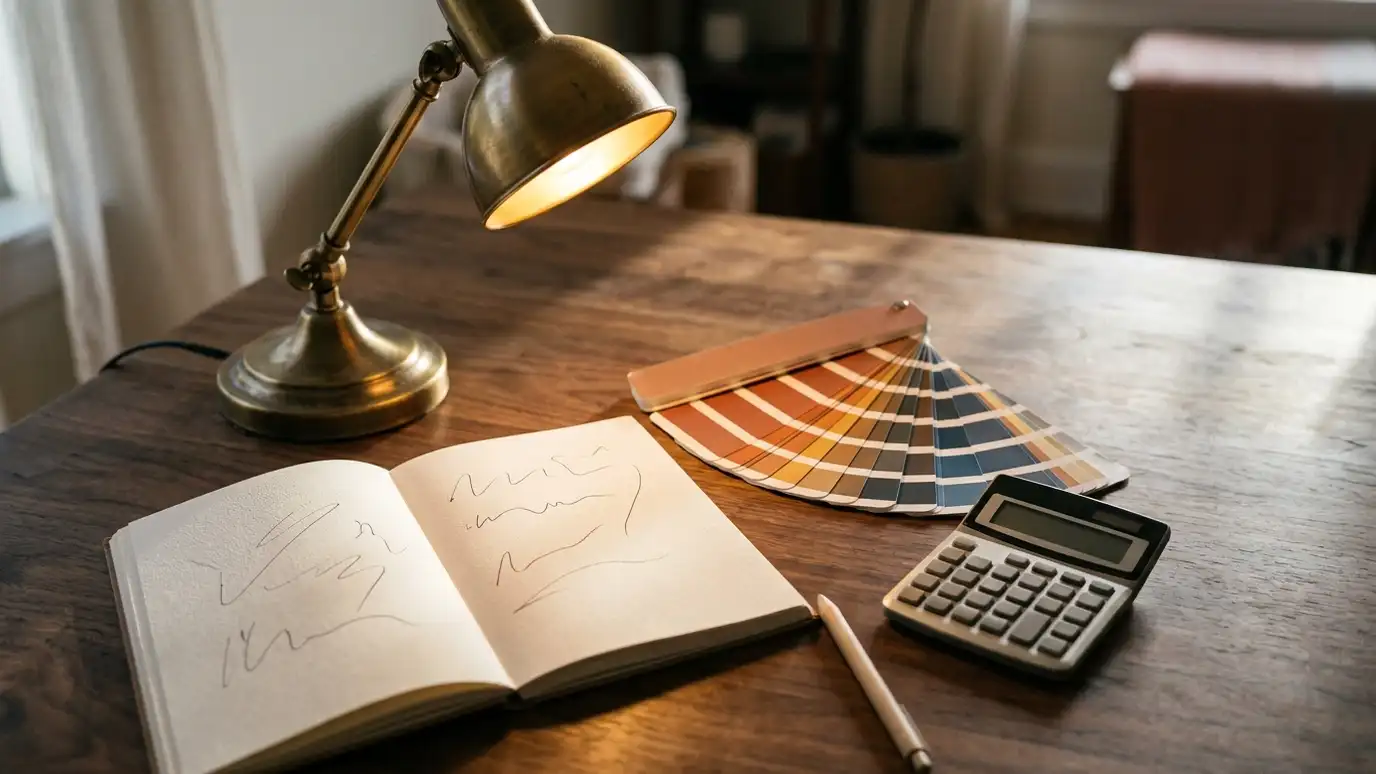
Break the budget into phases and allocate funds for each, plus a contingency. Decide where to invest in long-lasting pieces, such as upholstery and lighting, and where to save.
Track actual spending against the plan and adjust the next phase calmly.
A clear budget helps you say yes to what matters and no to impulse purchases.
Revisit the budget at the end of each phase. Small adjustments are easier than large corrections later.
Keep rooms cohesive
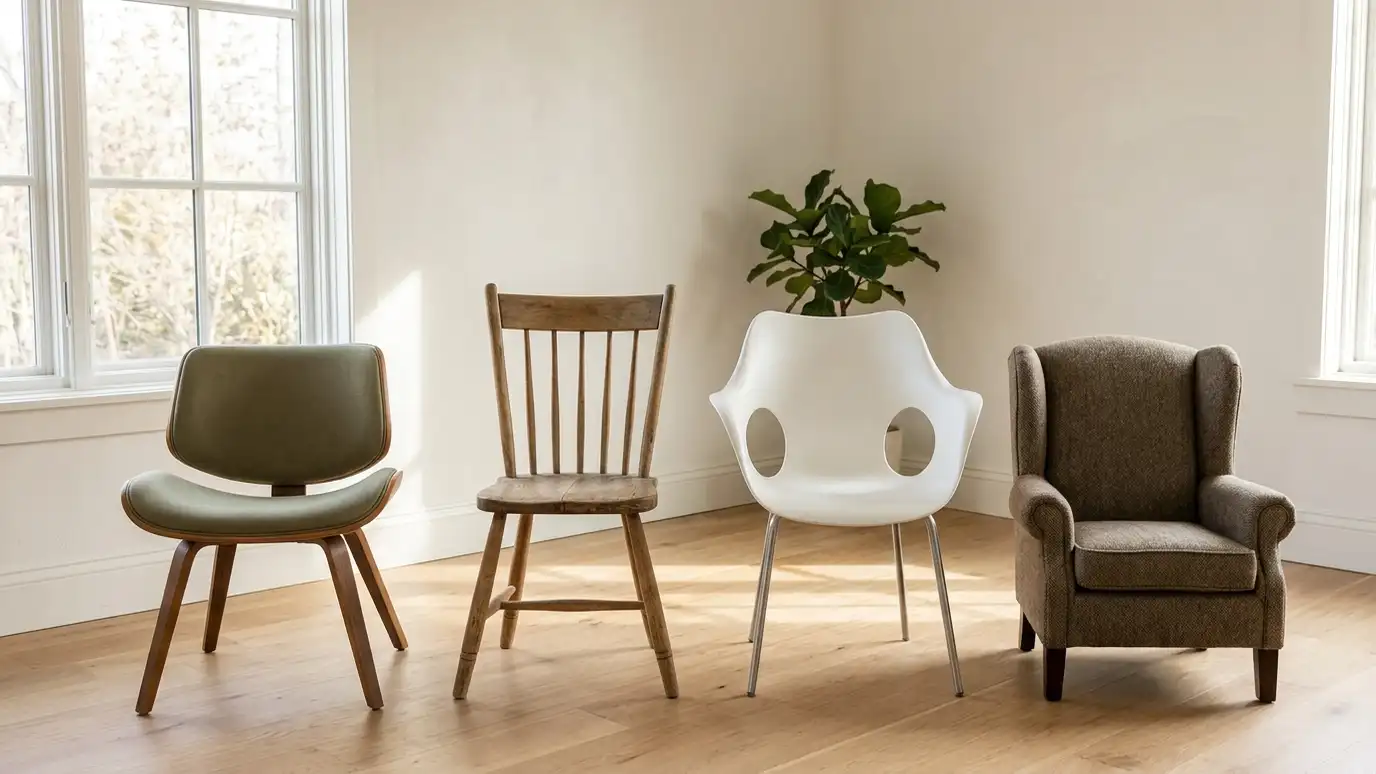
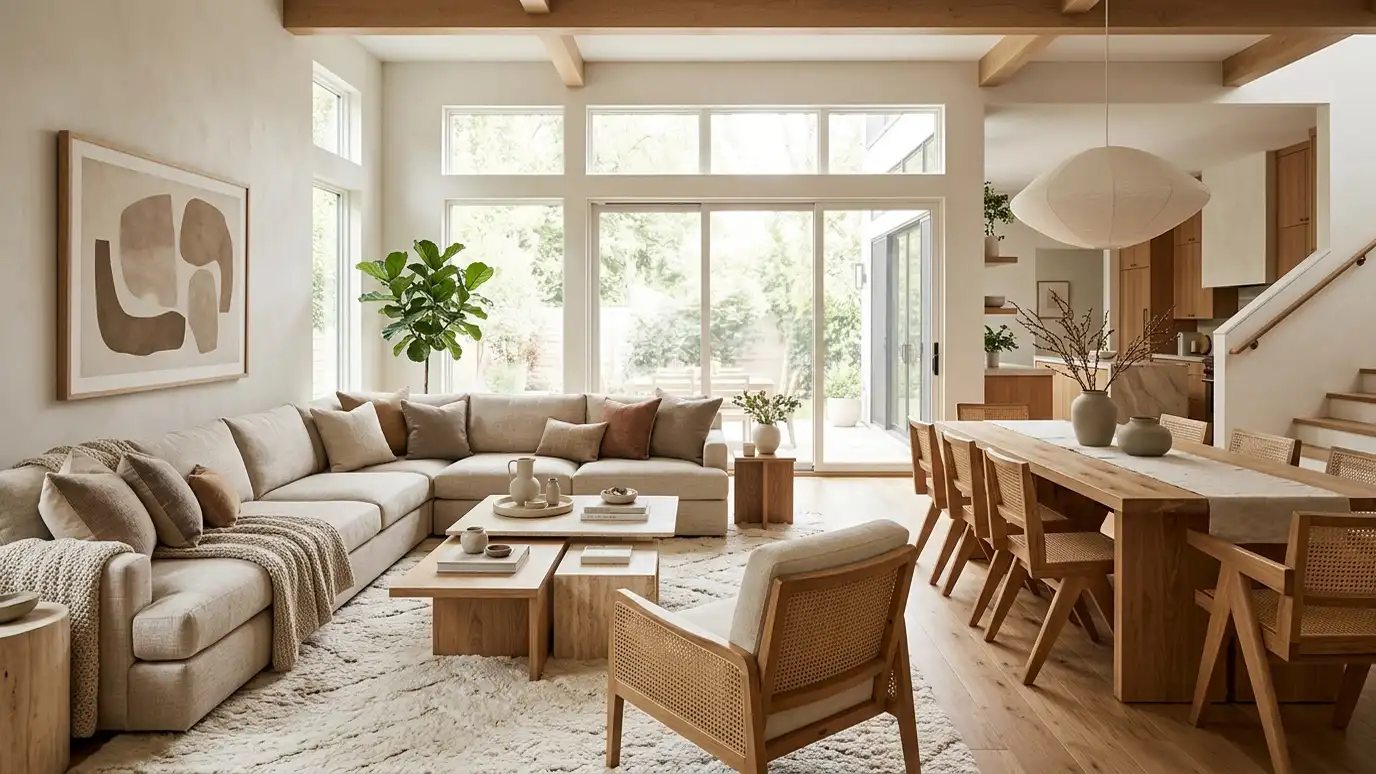
Repeat a few materials, colors and shapes across rooms: the same wood tone, a metal finish and a few accent colors. Vary scale and texture so rooms do not feel repetitive.
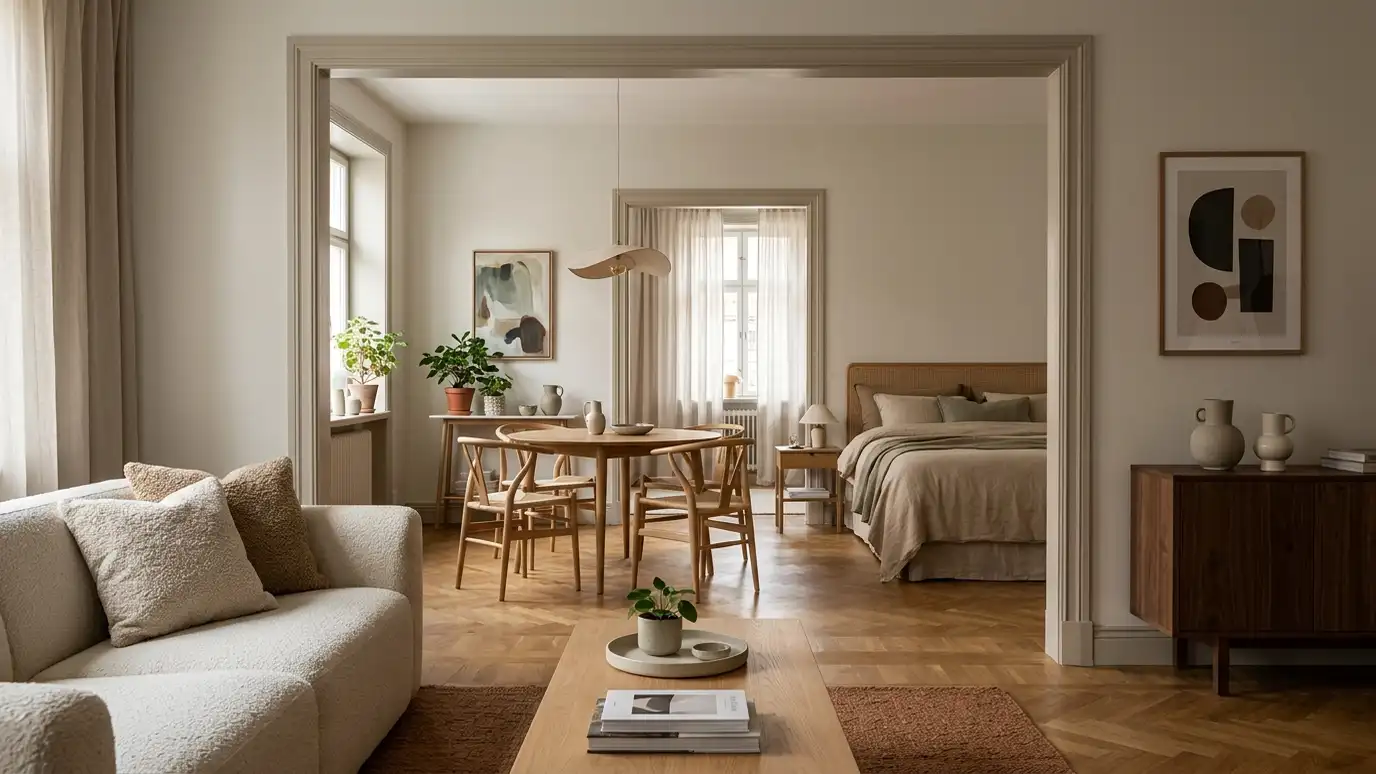
Pay attention to transitions such as flooring changes, doorways and hallways.
Edit what you own and move pieces between rooms to create balance.
Walk through the finished rooms in the order a guest would. Notice where the flow feels strong and where a transition needs attention.
Finish with care
The last details make the biggest difference: art at the right height, lamps in the right places, rugs that fit, pillows and plants. Walk each room and adjust.
Create a simple home binder with paint colors, finishes and sources for future repairs.
Enjoy the result, then plan seasonal refreshes to keep the home feeling alive.
Schedule a seasonal check each year. Refreshing pillows, art and plants keeps the home feeling current without a large project.
Make one master plan, share a palette across rooms, do messy work first and phase the budget so every purchase fits the final look.