Start with what stays
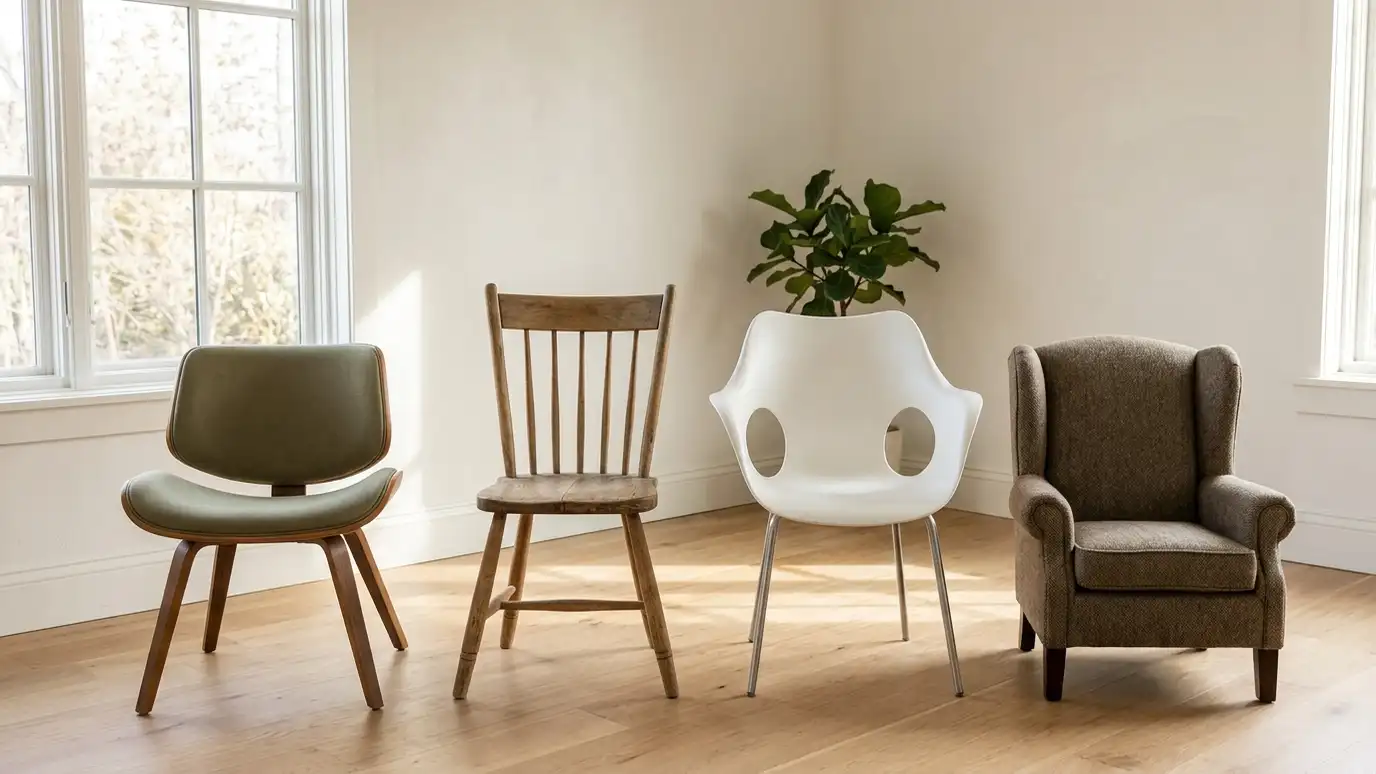
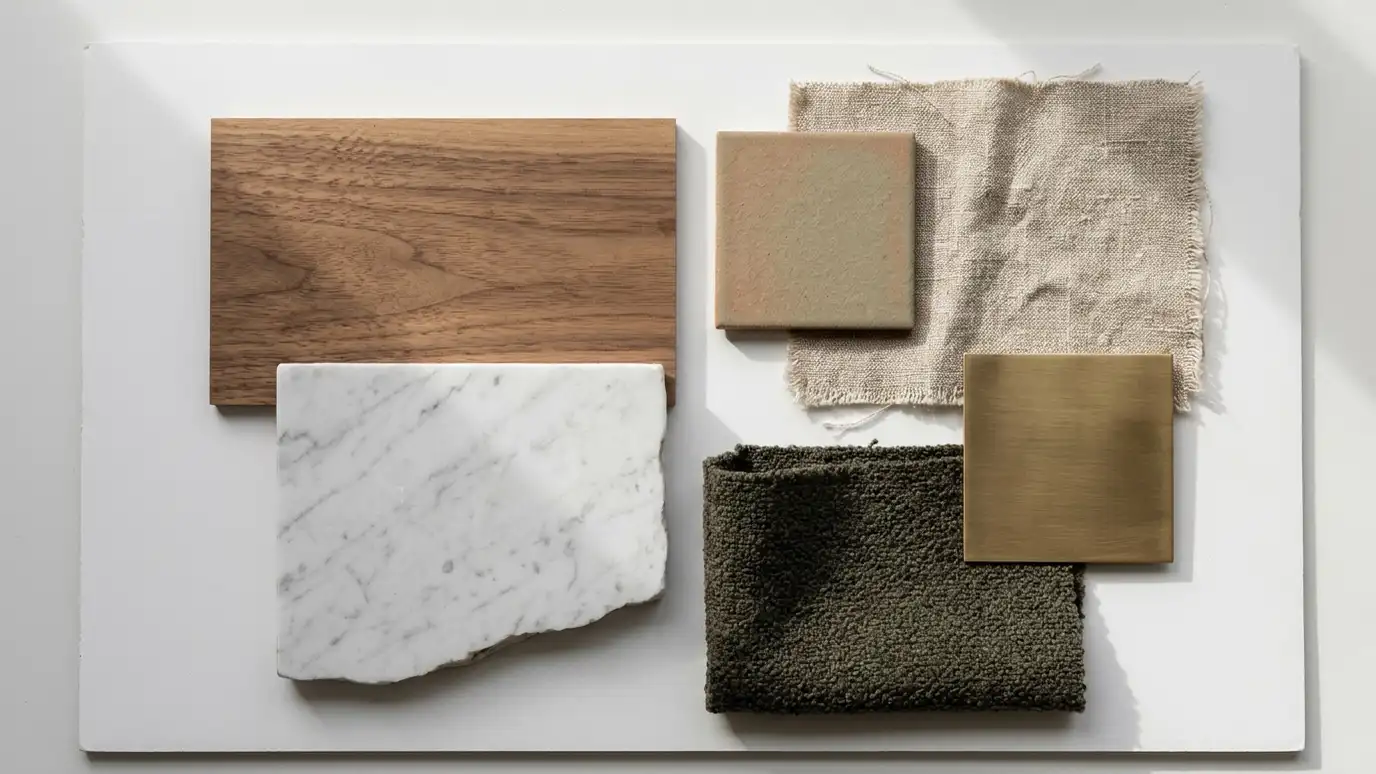
Look at the things you are not changing: floors, counters, tile, brick, stone, large furniture and fabrics. Their undertones, warm or cool, will either support or fight your paint colors.
Hold paint samples next to these elements, not on a blank wall in isolation.
Choose a few anchor colors from existing finishes to guide your palette.
Take photographs of your samples at different times of day and look at them on a phone and in person. Compare them to see which colors hold steady.
Understand light
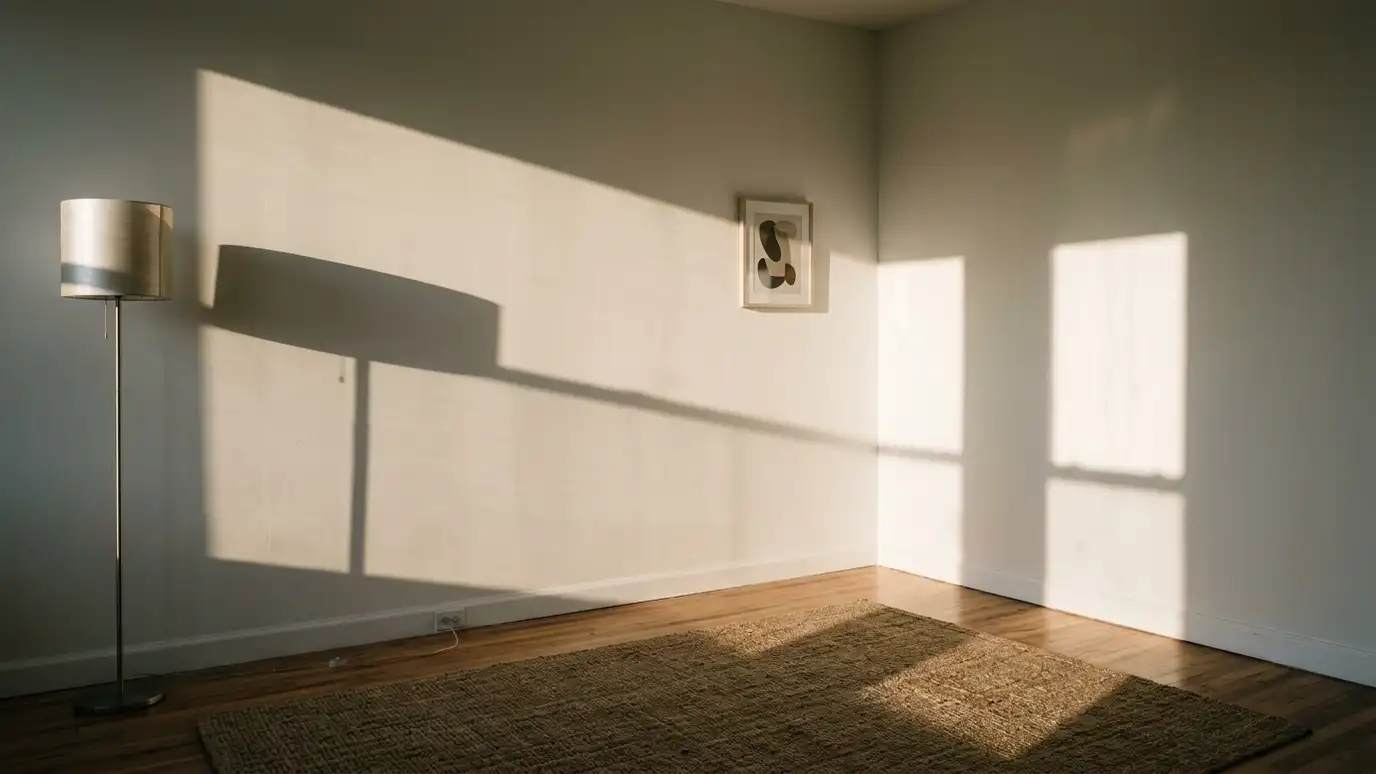
North light is cool and steady, south light is bright and warm, east light is golden in the morning and west light shifts to warm in the afternoon. The same color looks different in each.
Artificial light changes things further. Warm bulbs deepen reds and yellows, while cool bulbs sharpen blues and grays.
Check samples in morning, afternoon and evening.
Hold fabric swatches and flooring samples against the paint. If the undertones clash, you will see it right away.
Test large samples
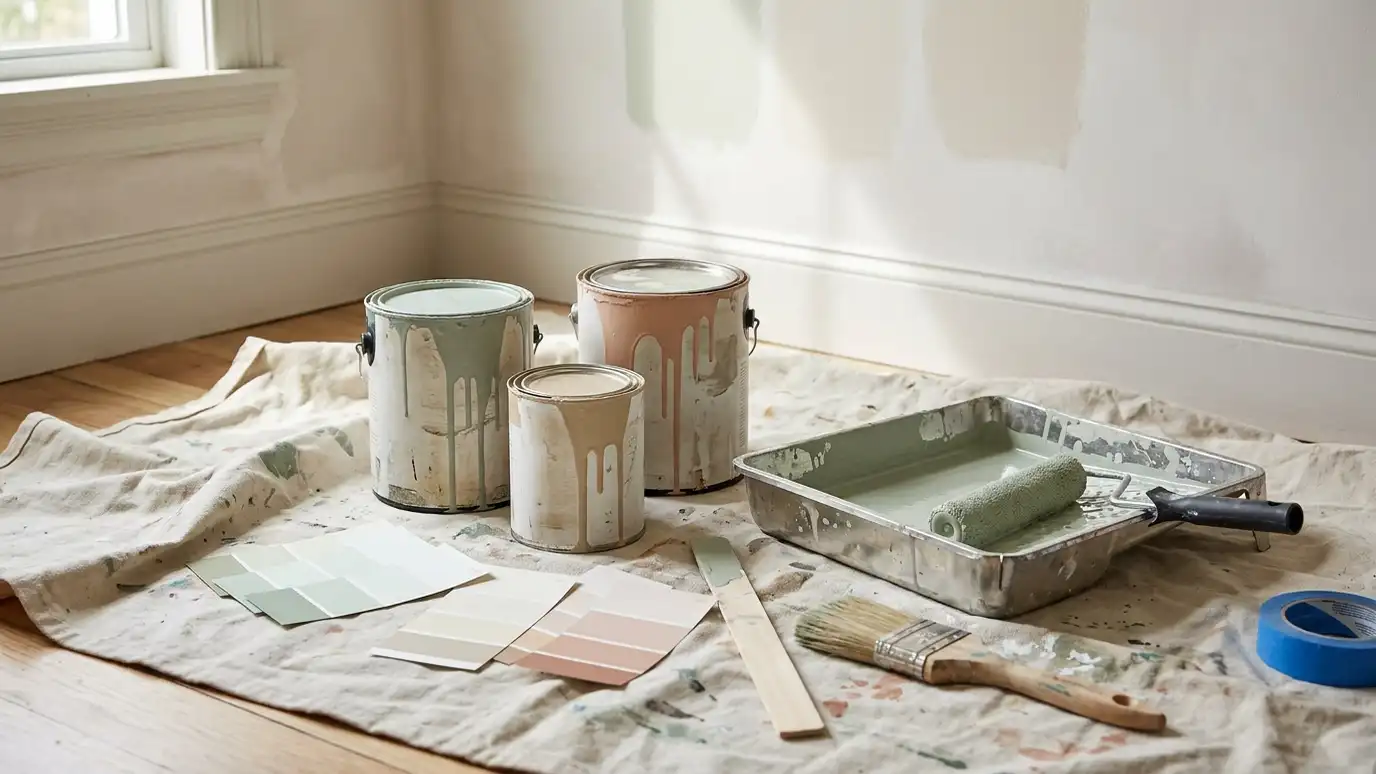
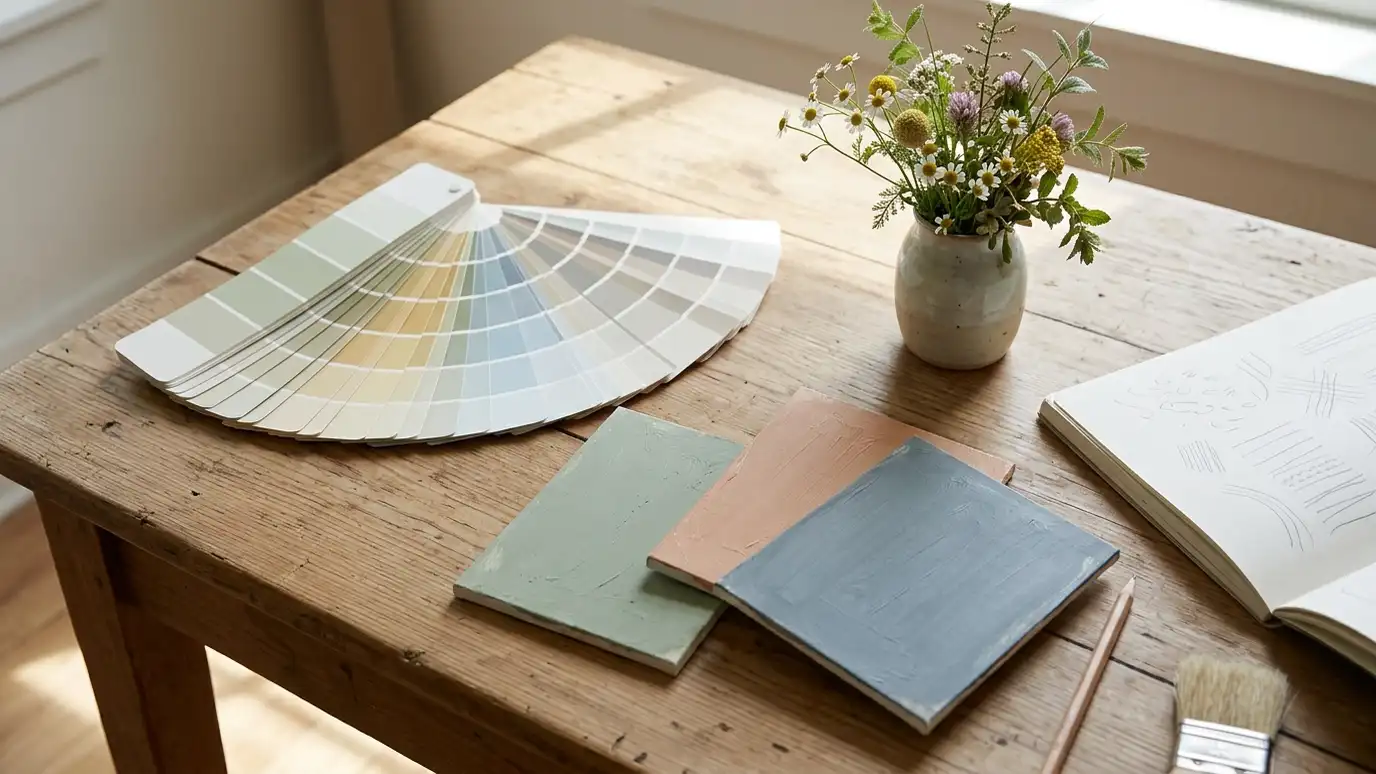
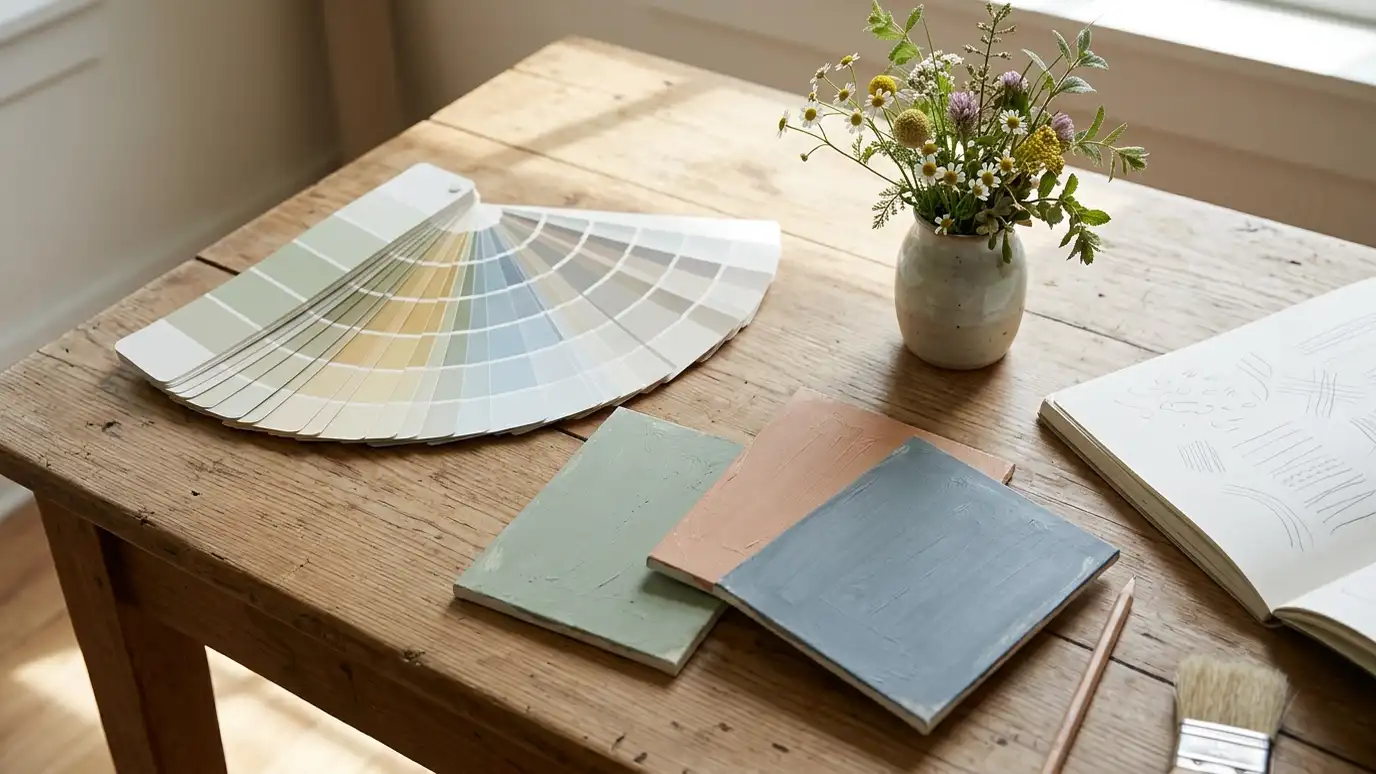
Small chips mislead. Paint large boards or poster sheets and tape them to different walls, or use sample pots on two walls in each room.
Live with the samples for a few days, and look at them next to trim, curtains and furniture.
Eliminate colors that turn muddy, pink or green in your light.
Move samples around the room. A color that looks great by a window may look different in a corner.
Choose whites and neutrals carefully
Whites have undertones: yellow, pink, gray, green or blue. Neutrals can lean warm or cool. Pick the family that suits your floors and fabrics.
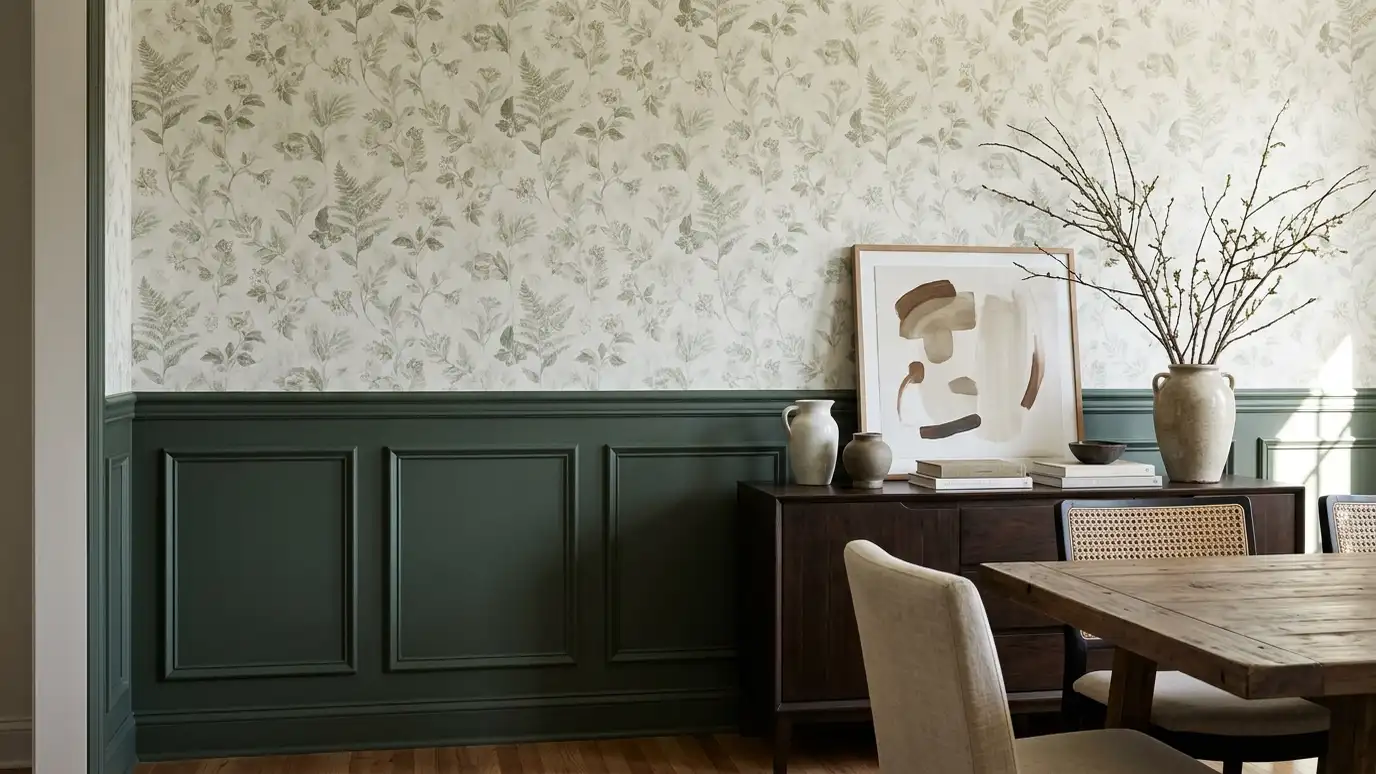
Use a slightly different white on trim than on walls for subtle contrast, or paint trim and walls the same color for a modern look.
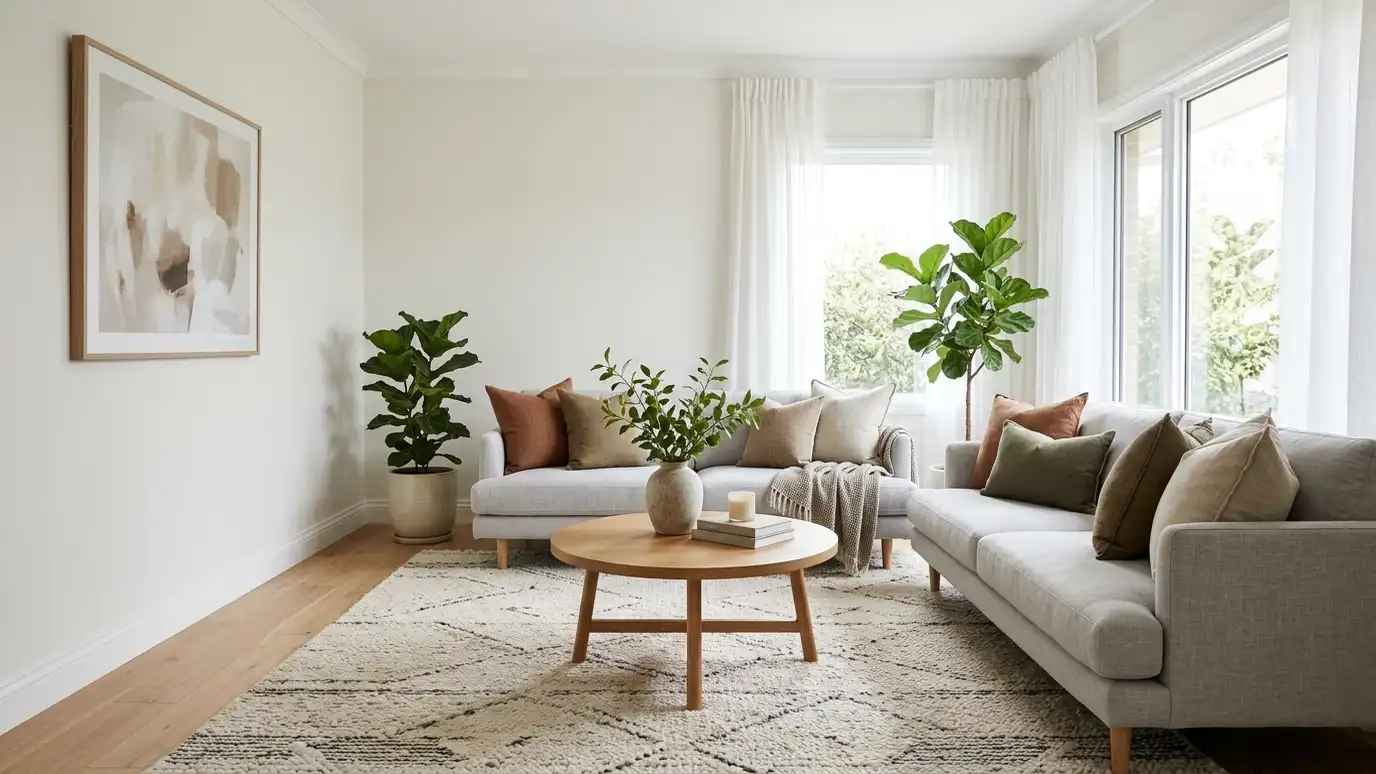
When unsure, choose a soft, warm neutral that complements wood.
Ask your paint store to mix a sample pot of each finalist, and paint large squares on at least two walls.
Plan sheens
Flat or matte paint hides flaws but is harder to clean. Eggshell and satin are good for living areas, while semi-gloss suits trim, doors and cabinets.
Ceilings are often flat. Kitchens and baths often use satin.
Higher sheens show imperfections, so prepare surfaces well.
Ask your painter about the number of coats and the primer for your surfaces. Good prep saves paint and frustration.
Create flow
Choose a palette of related colors so rooms connect through doorways and hallways. Repeat accent colors in different rooms.
Vary intensity: deeper colors in smaller or more private rooms, lighter ones in open areas.
Write a color schedule listing each color, sheen and surface for your painter.
Keep a labeled can of touch-up paint and a note of the exact color name and sheen for each room.
Start with fixed finishes, test large samples in your own light and write down every color and sheen before the painter starts.