The first call and estimate
The process starts with a conversation. A good designer asks what you want to change, how you use the space, what you love and what bothers you, and what budget and schedule you have in mind. Then comes a visit to see the rooms, light and layout.
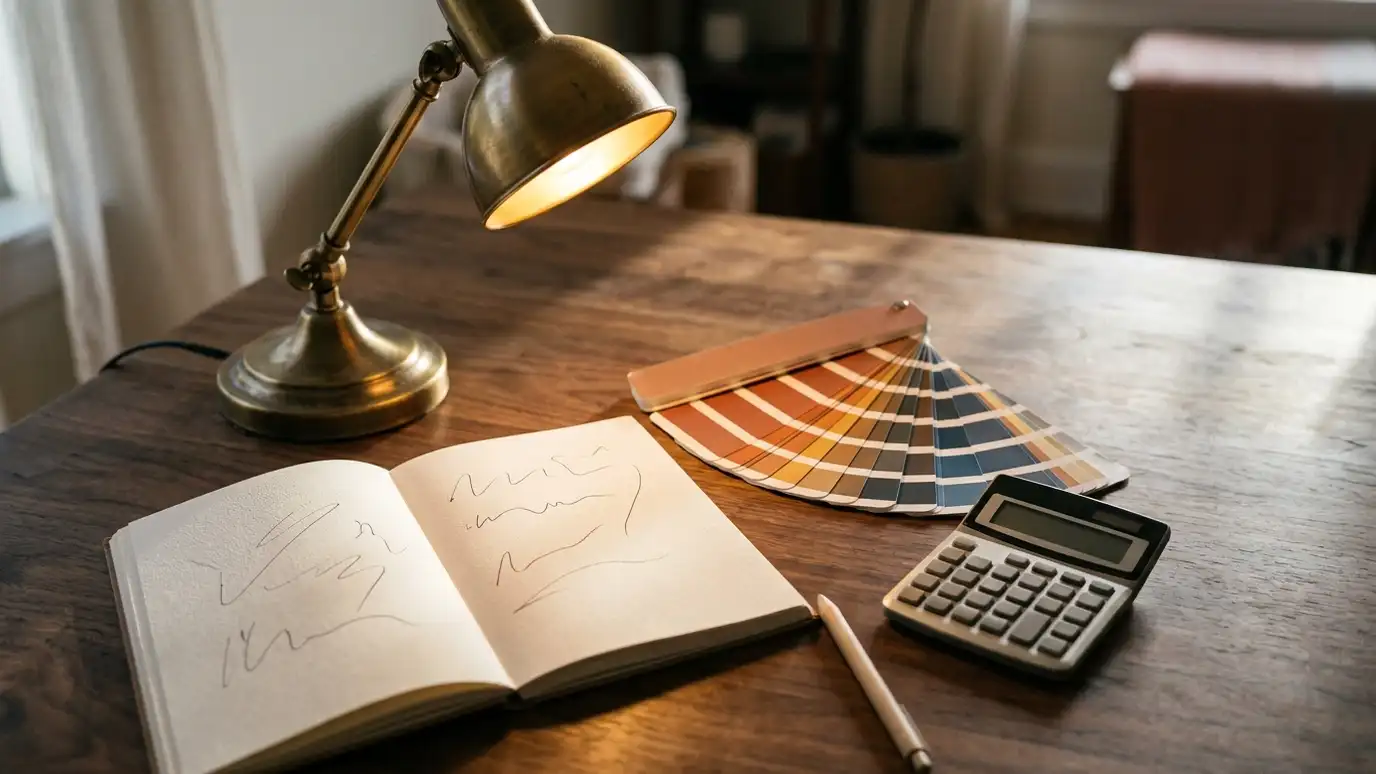
After the visit you receive a written estimate listing services, deliverables, timeline and fees. This is the time to ask about anything unclear.
You decide whether and when to move forward, with no obligation.
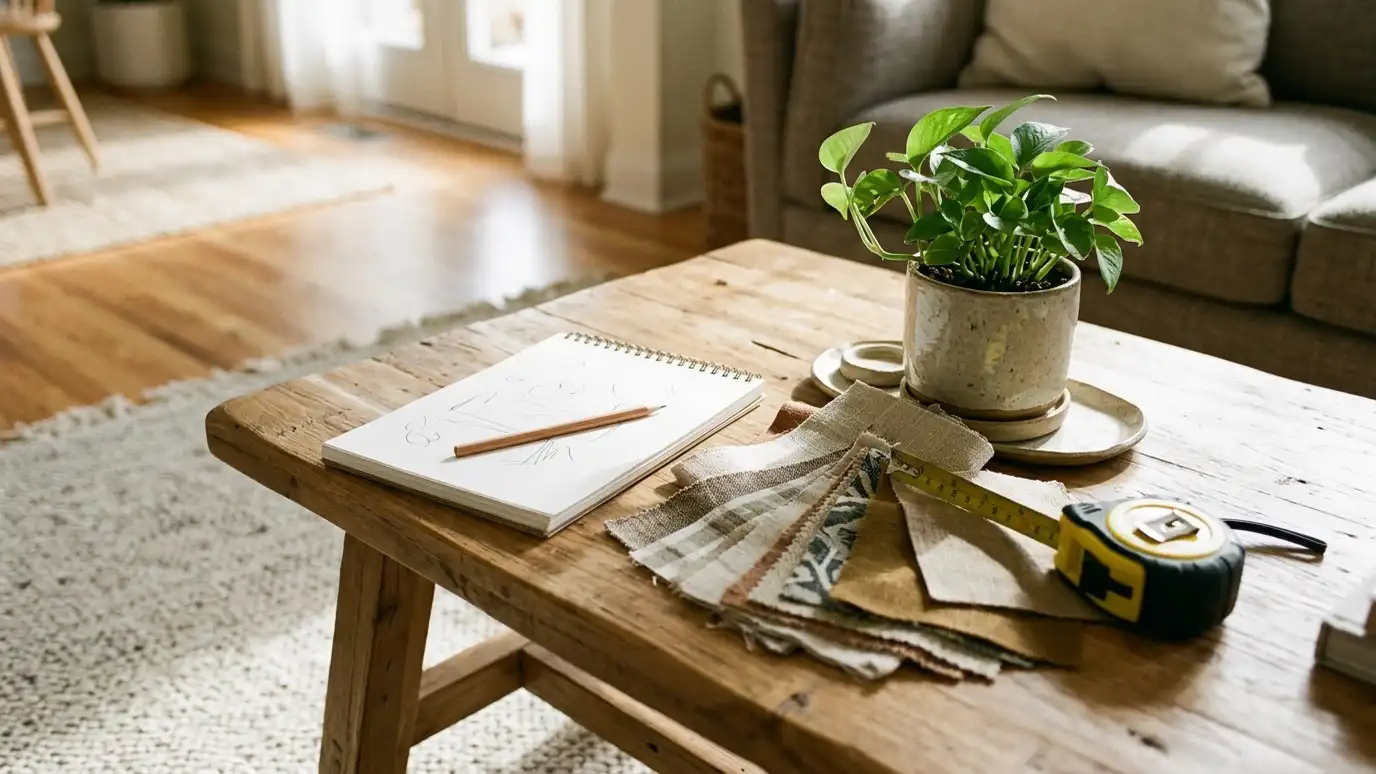
Bring photographs, saved ideas and notes to the first conversation. Images tell a designer more about your taste in minutes than a long description could.
Discovery and concept
Next the designer learns more about your household, tastes and habits and measures the rooms. Together you collect inspiration and discuss priorities, from function to mood.
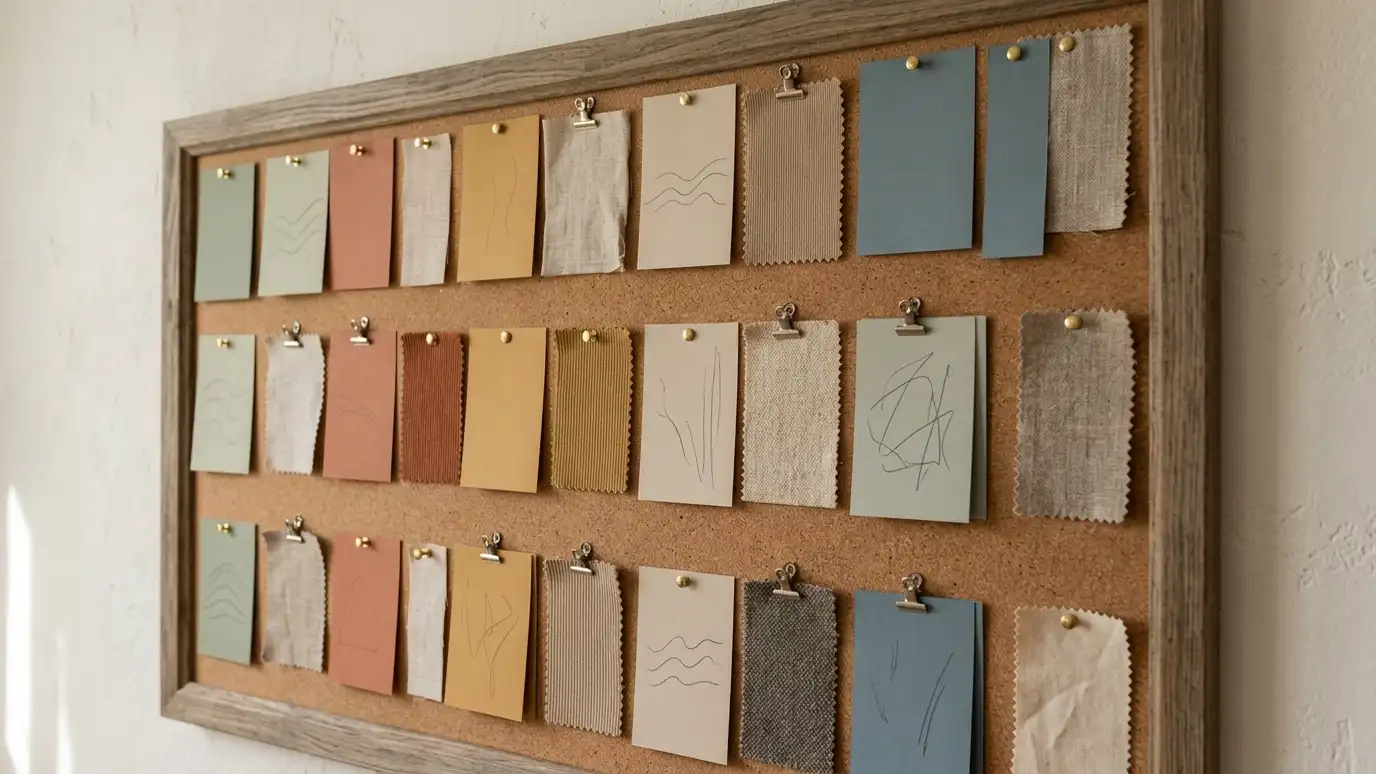
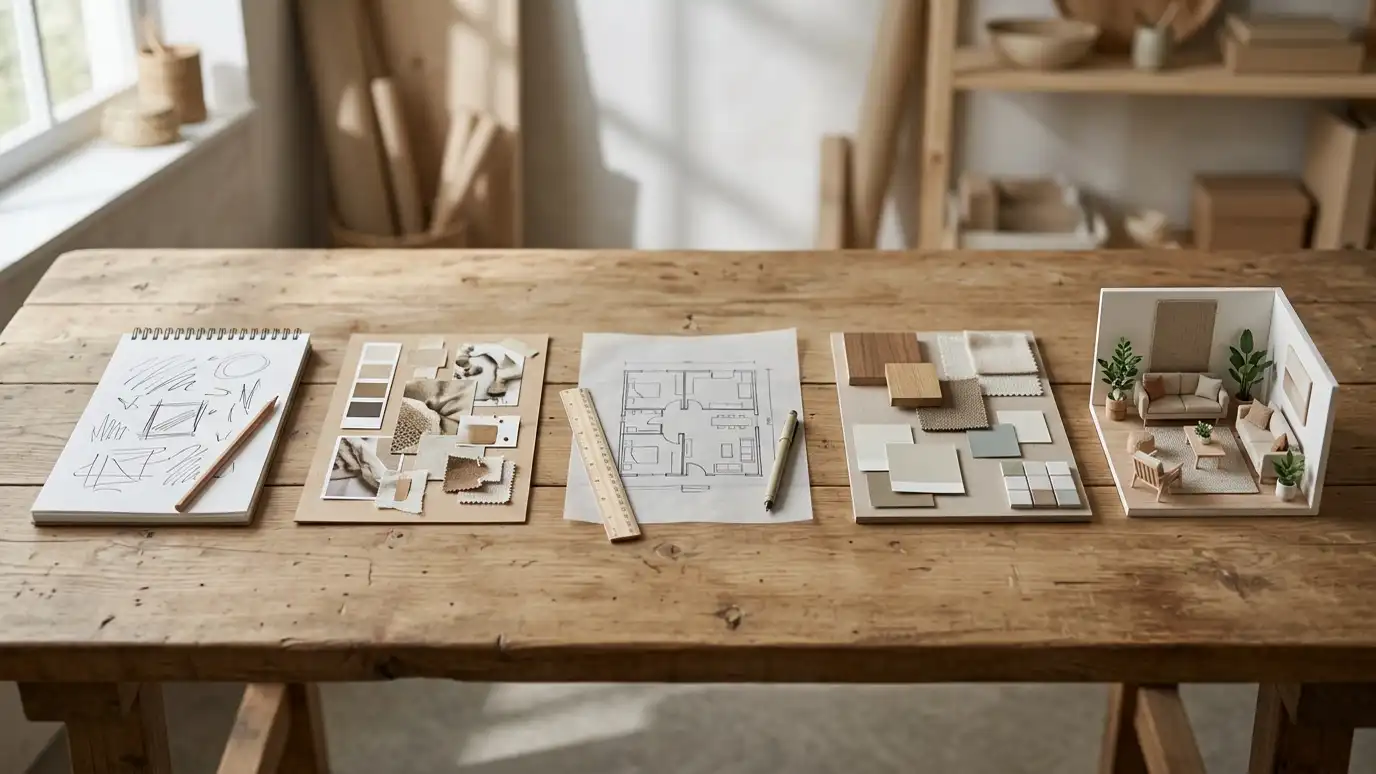
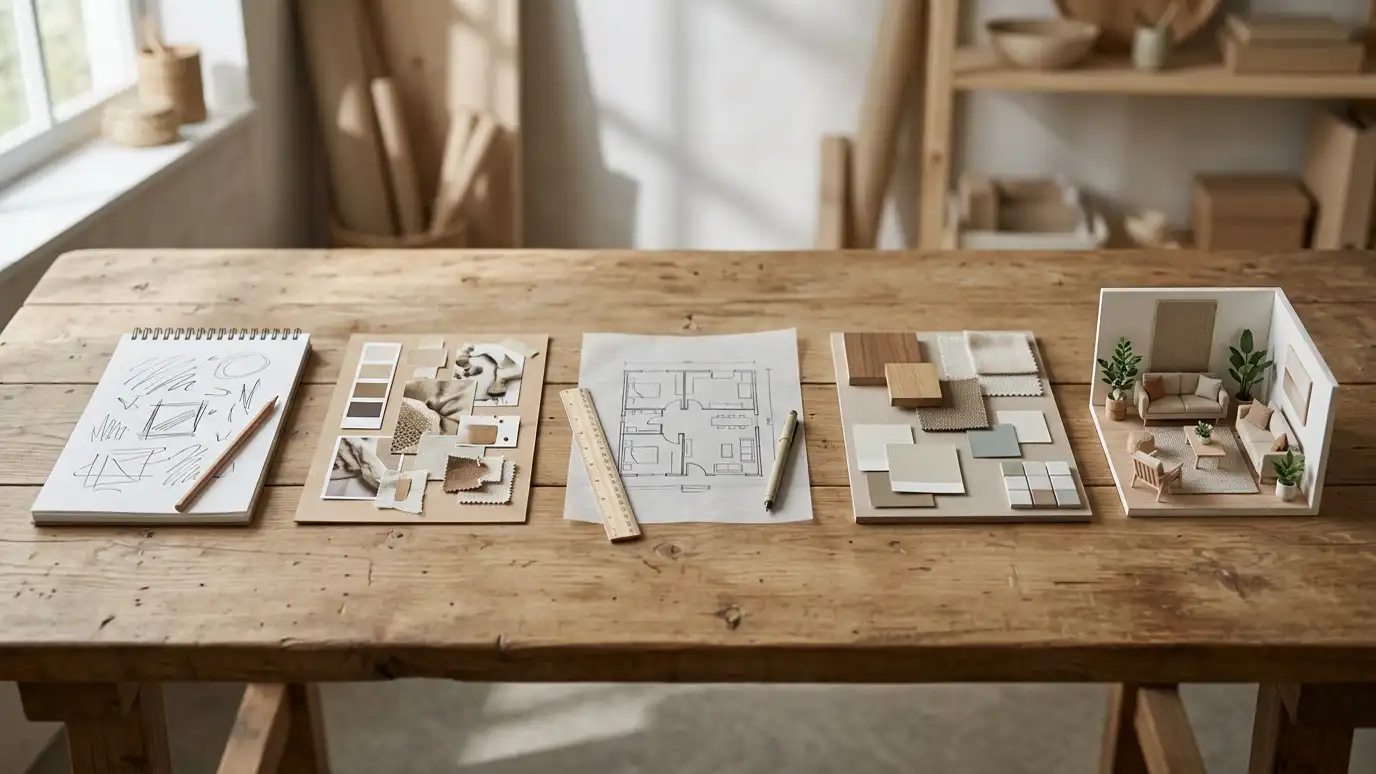
The designer builds concept boards with colors, materials, furniture and lighting. You react, and the concept is refined until it feels right.
This stage is the best time to speak up. Changes on paper are easy and cost little.
Be honest about habits. If you never use the dining room or the dog sleeps on the sofa, say so. Design that ignores real life rarely lasts.
Layouts and selections
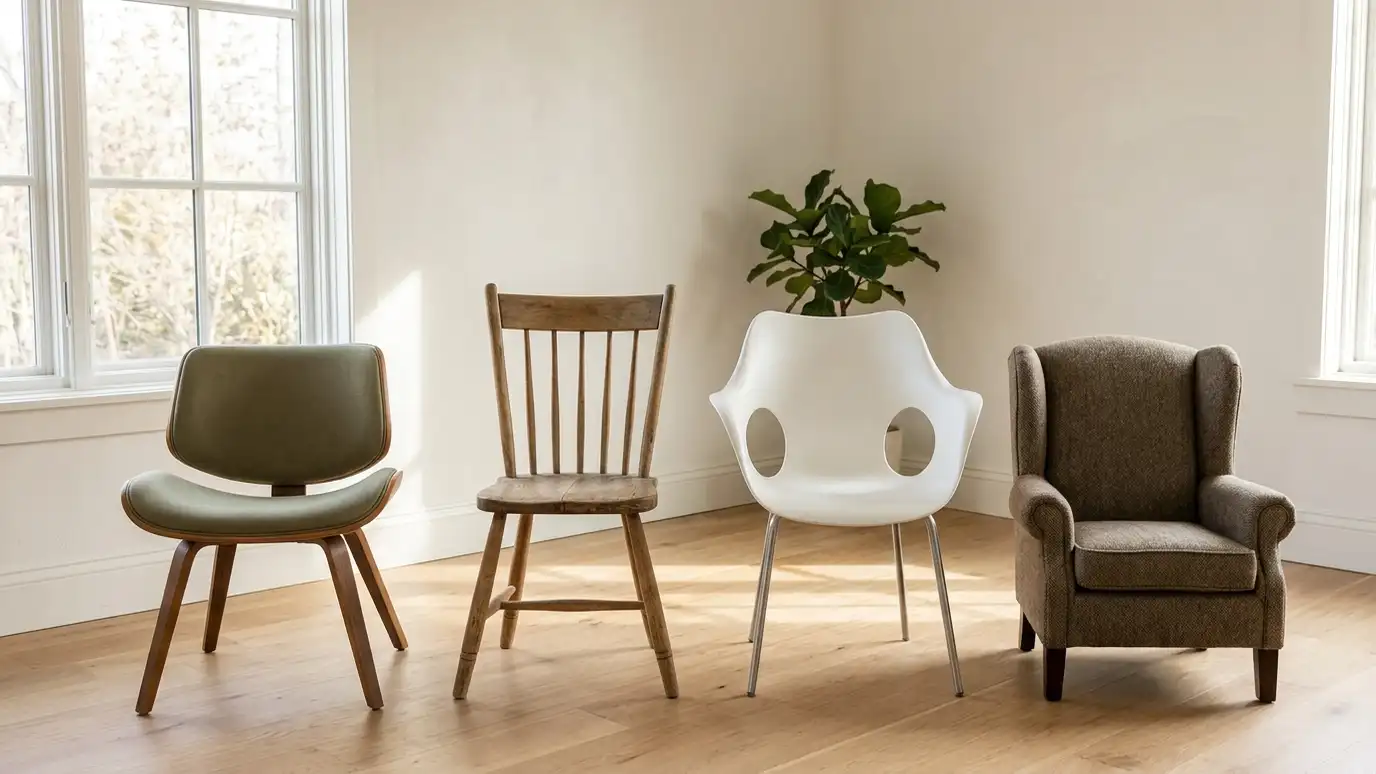
Once the concept is approved, the designer draws layouts and chooses specific products: sofas, rugs, lighting, tile, paint and fabrics. Samples are reviewed in your light.
You receive a clear presentation with items, sizes, prices and lead times, and you approve what to order.
Good selections consider durability, care, delivery and how each piece works with the rest of the room.
Review each presentation with everyone who will use the space. Late comments from someone who was not involved are harder to absorb than early ones.
Ordering and coordination
After approval, orders are placed and tracked. The designer confirms specifications, monitors lead times and coordinates with contractors, painters and installers.
If an item is delayed, discontinued or damaged, the designer proposes solutions and handles returns.
Regular updates keep you informed without requiring you to chase details.
Keep an eye on the purchase list and ask about lead times before you approve. Knowing when items will arrive helps you plan events and installation.
Installation and styling
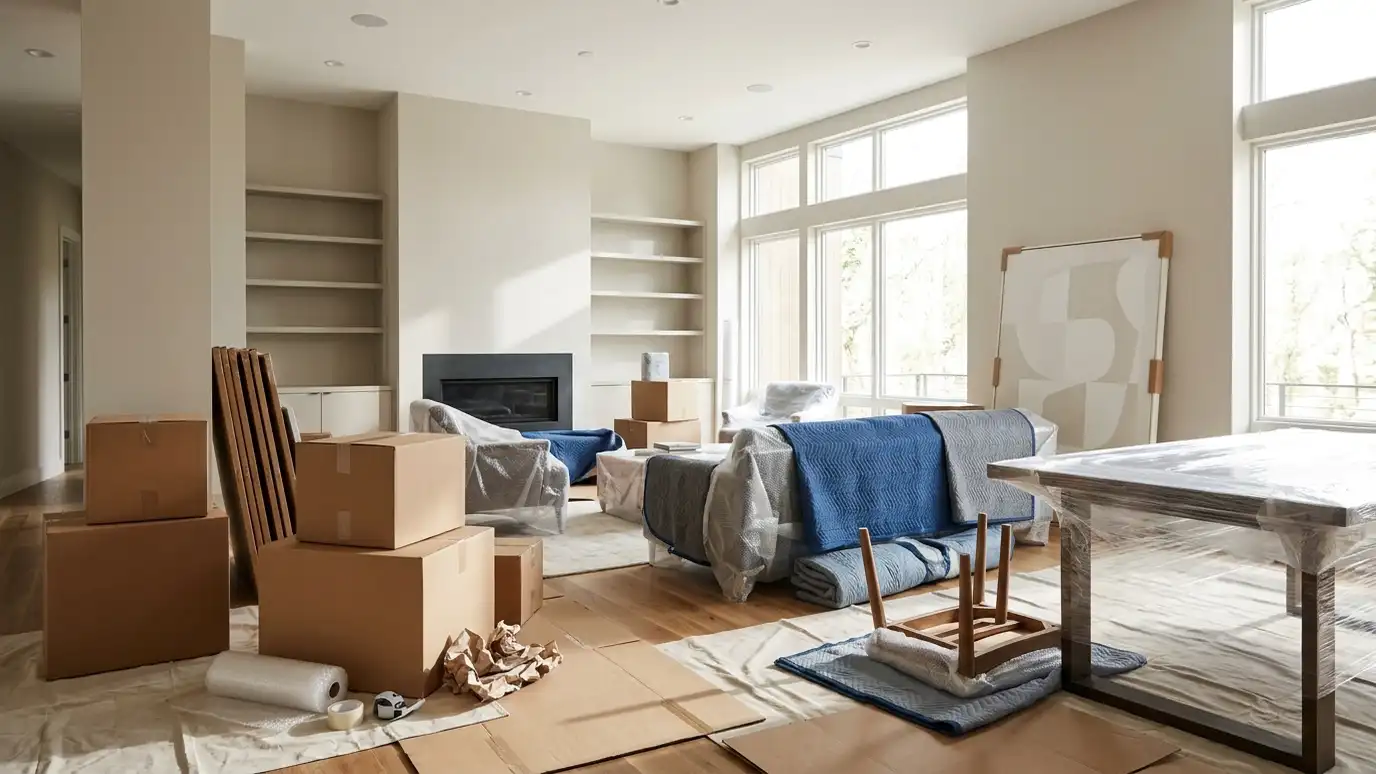
When items arrive, they are inspected and delivered. Furniture is placed, window treatments and art are hung, and accessories are arranged. Final styling adds the pillows, plants, books and objects that make a room feel lived in.
A walkthrough creates a short list of small fixes, which the team handles quickly.
The room is ready to enjoy, and many designers offer follow-up support.
Ask how deliveries will be handled and who will be present. Having a plan for receiving and inspecting items prevents damage and delays.
After the project
A good designer stays available. Questions come up, items need adjustment and new needs appear. Some clients schedule a refresh a year later or continue room by room.
Keep records of colors, finishes and sources for future repairs and updates.
Share your experience. Feedback helps the designer improve and helps other owners choose confidently.
Keep a folder with receipts, care instructions and finish details. It will help with maintenance and future updates.
Speak up early, approve concepts before selections, review samples in your own light and keep a record of every finish.