Start with durability
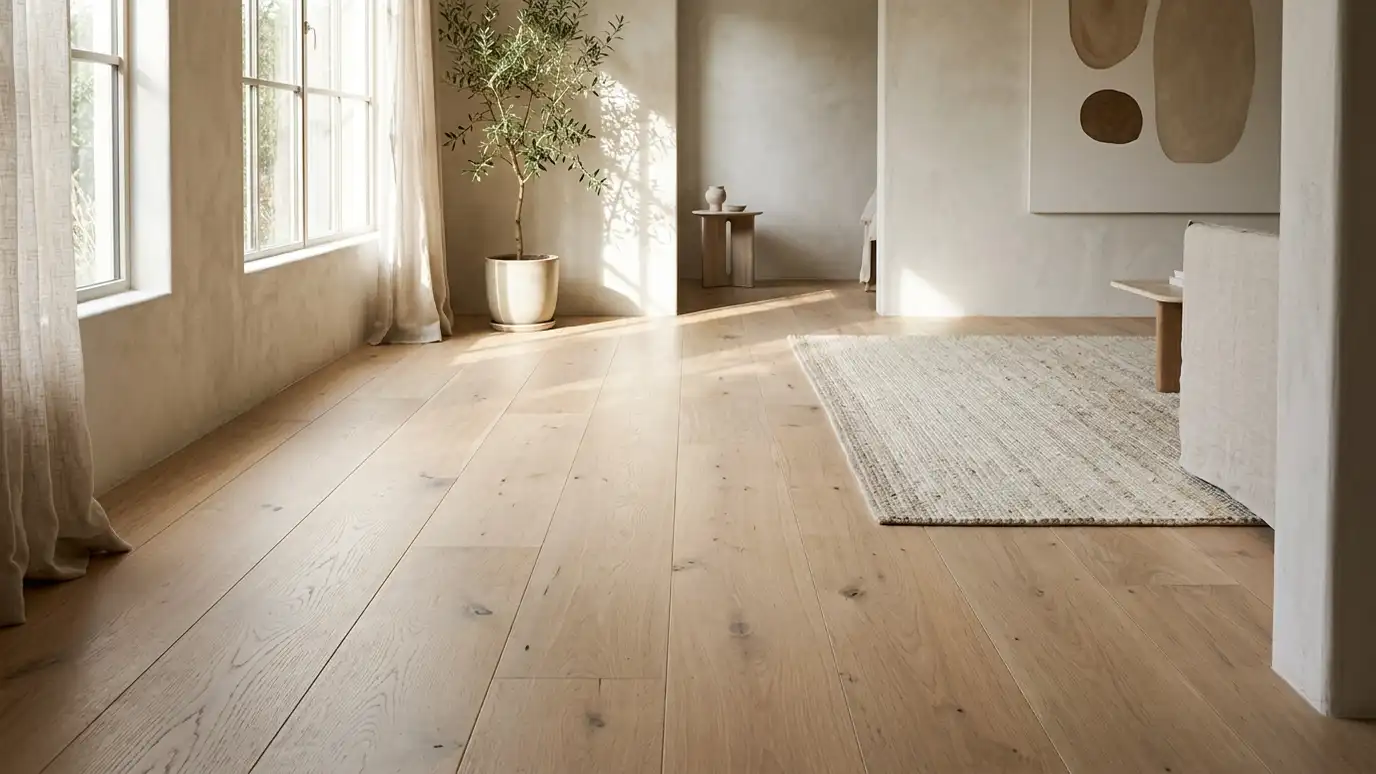
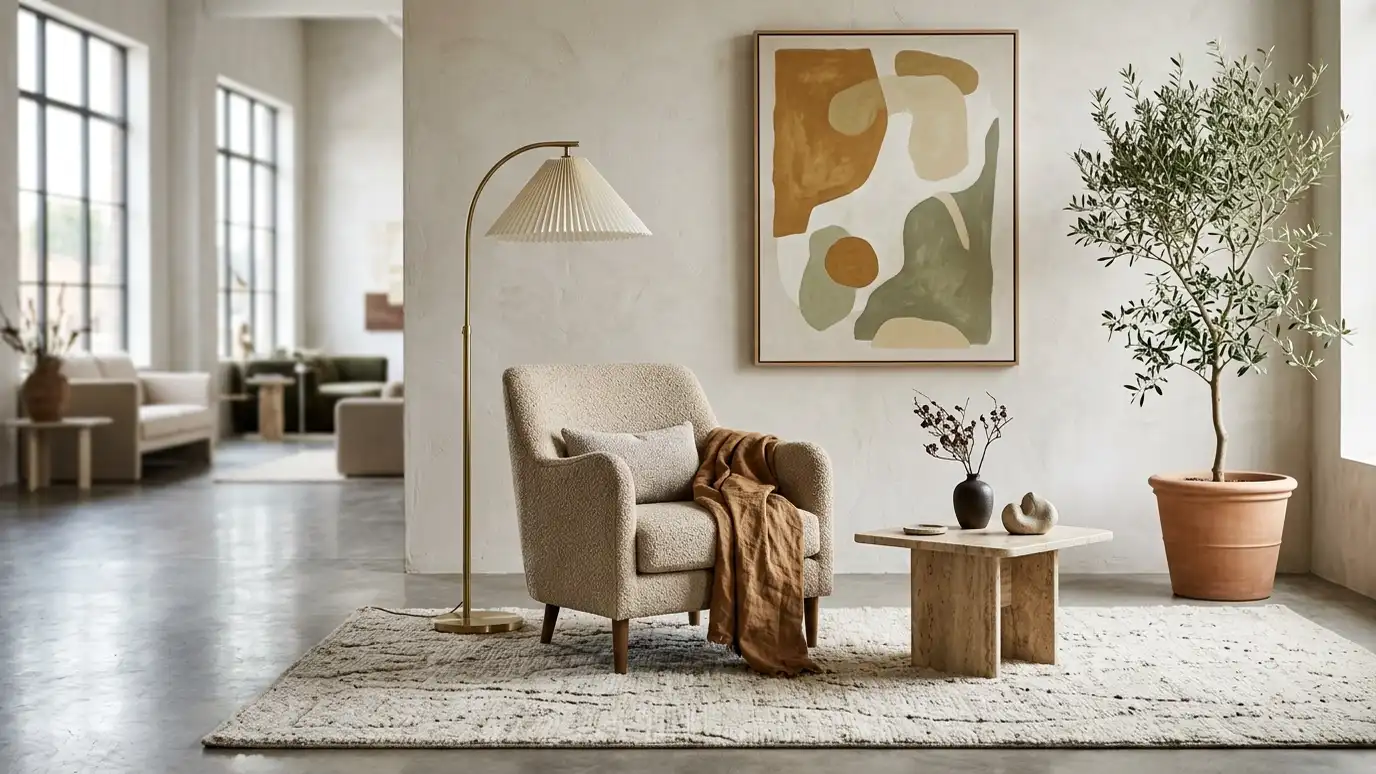
The most sustainable item is one that lasts. Choose well-made furniture, durable floors and timeless styles rather than trends you may replace.
Repair, refinish and reupholster when possible.
Buy fewer, better things and care for them.
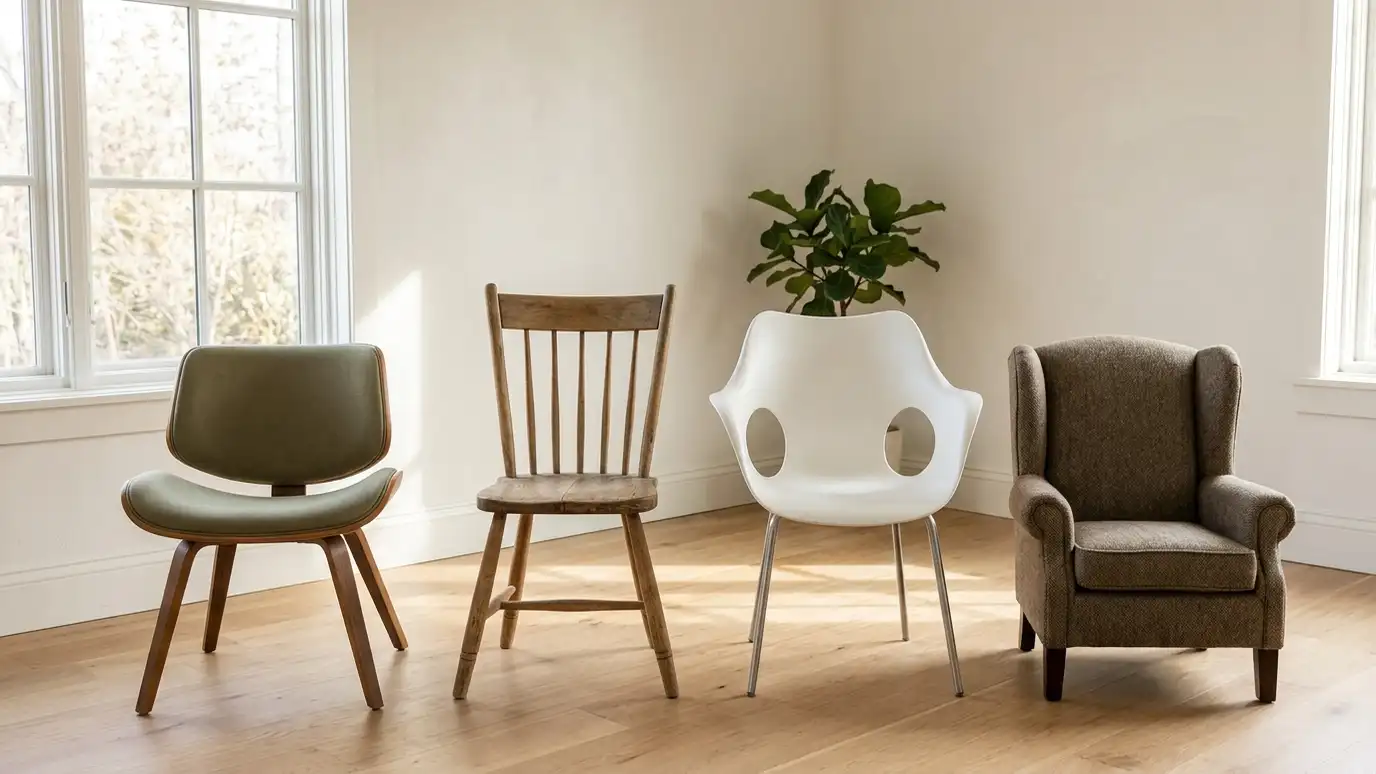
Make a list of the furniture you already own and think about which pieces can be refreshed with paint, new upholstery or hardware.
Think about indoor air
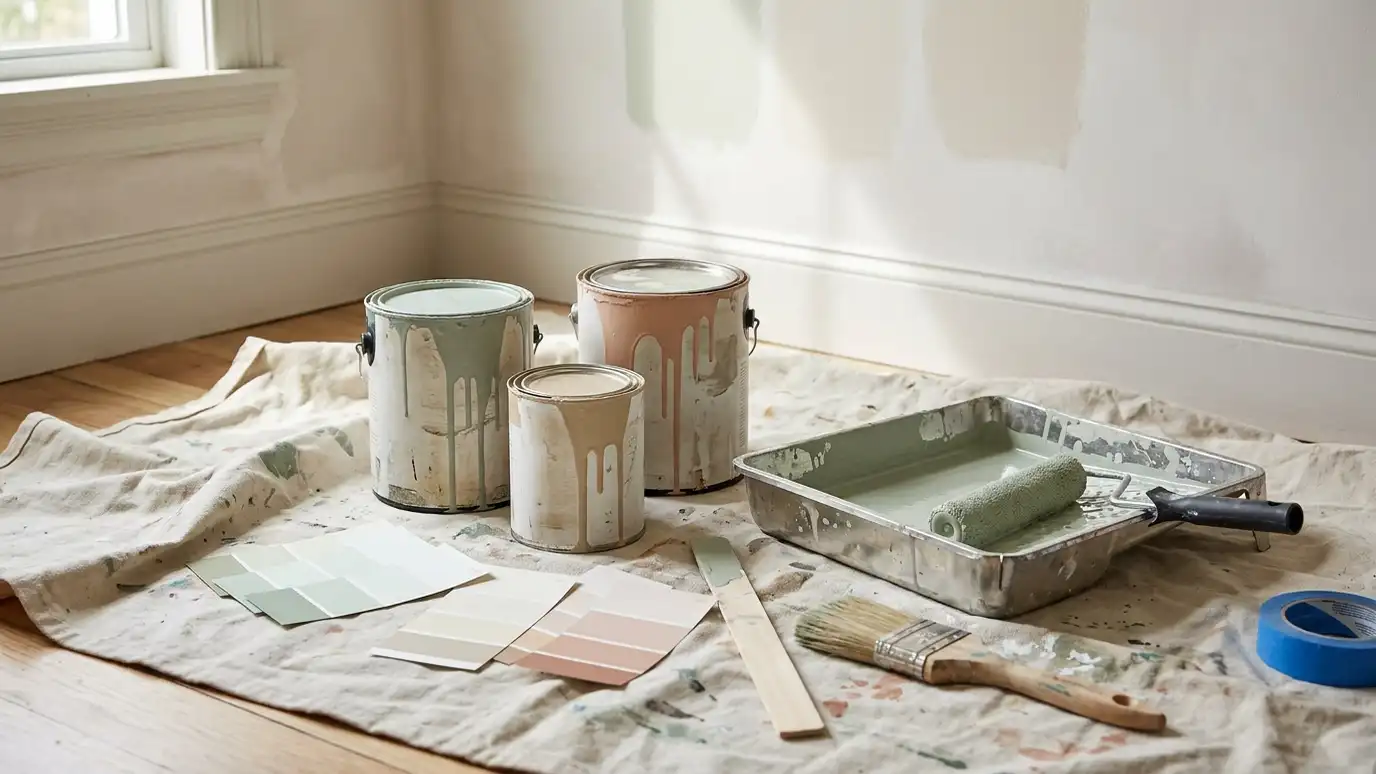
Paints, finishes, adhesives, foam and fabrics can release chemicals into the air. Look for low-emission products and let new items air out before use.
Ventilate kitchens and baths and use exhaust fans properly.
Keep floors and surfaces easy to clean to reduce dust.
Open windows regularly and let new items air out in a ventilated space before bringing them into bedrooms.
Choose natural and recycled materials
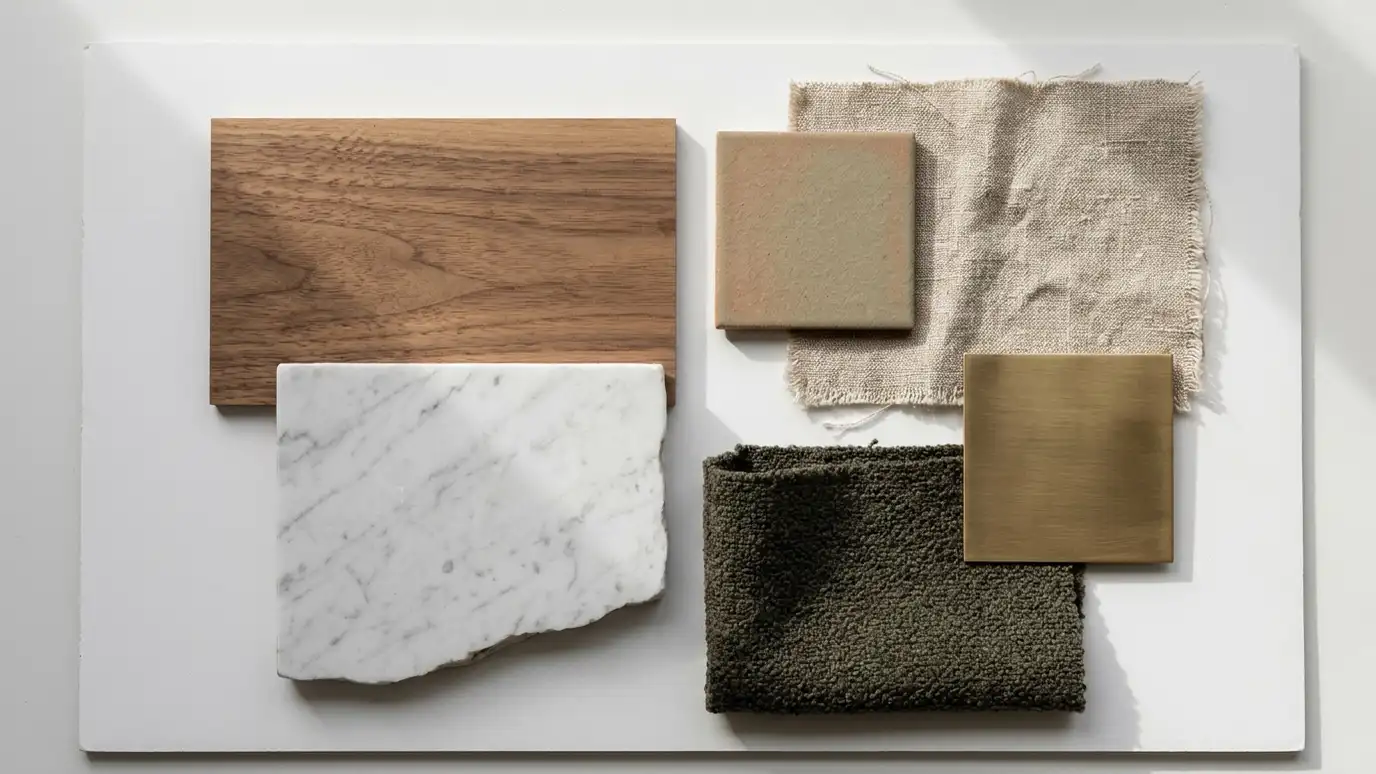
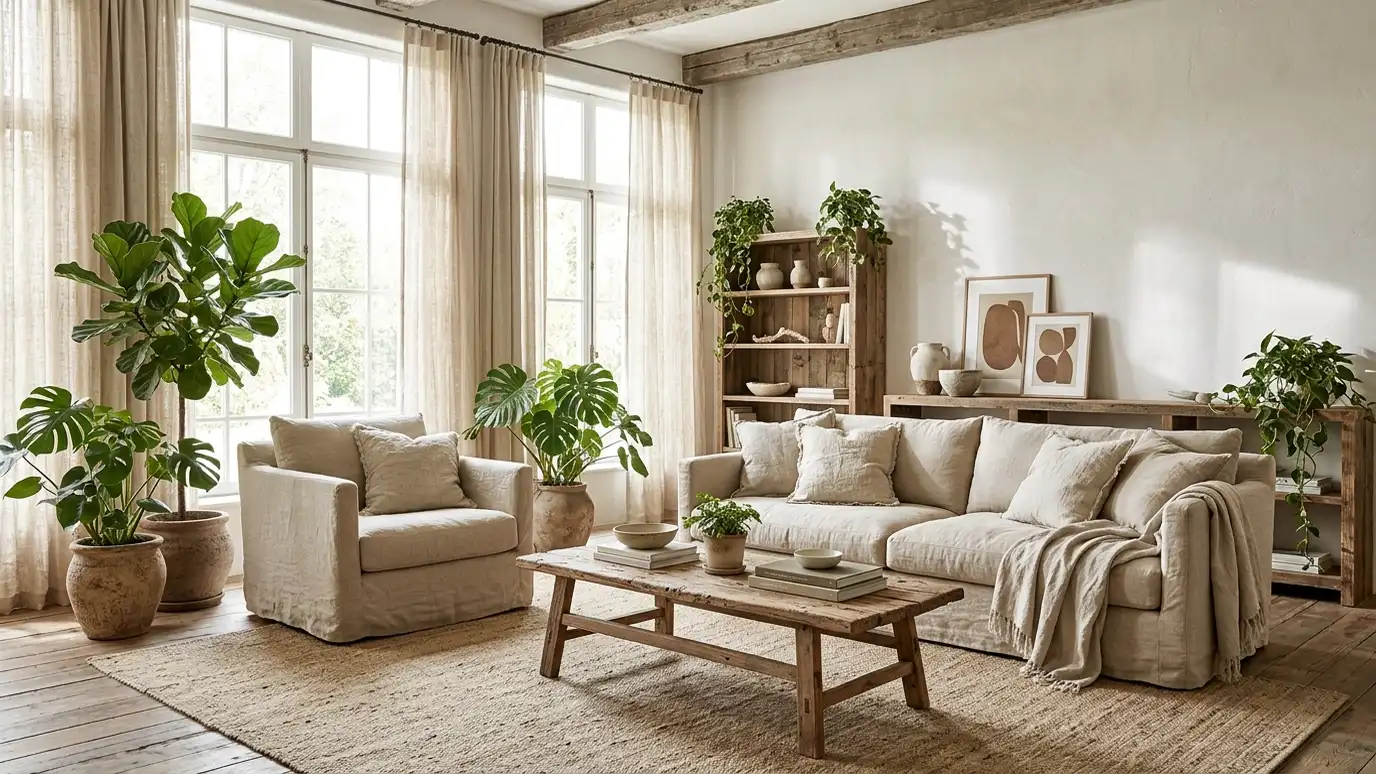
Wood from responsibly managed sources, reclaimed wood, wool, cotton, linen, cork and recycled glass are common choices. Ask about origins and finishes.
Local makers reduce transport and keep craft alive.
Vintage and secondhand furniture keep good pieces in use.
Ask suppliers where materials come from and how they were finished. Honest answers are a good sign.
Save energy with light and shade
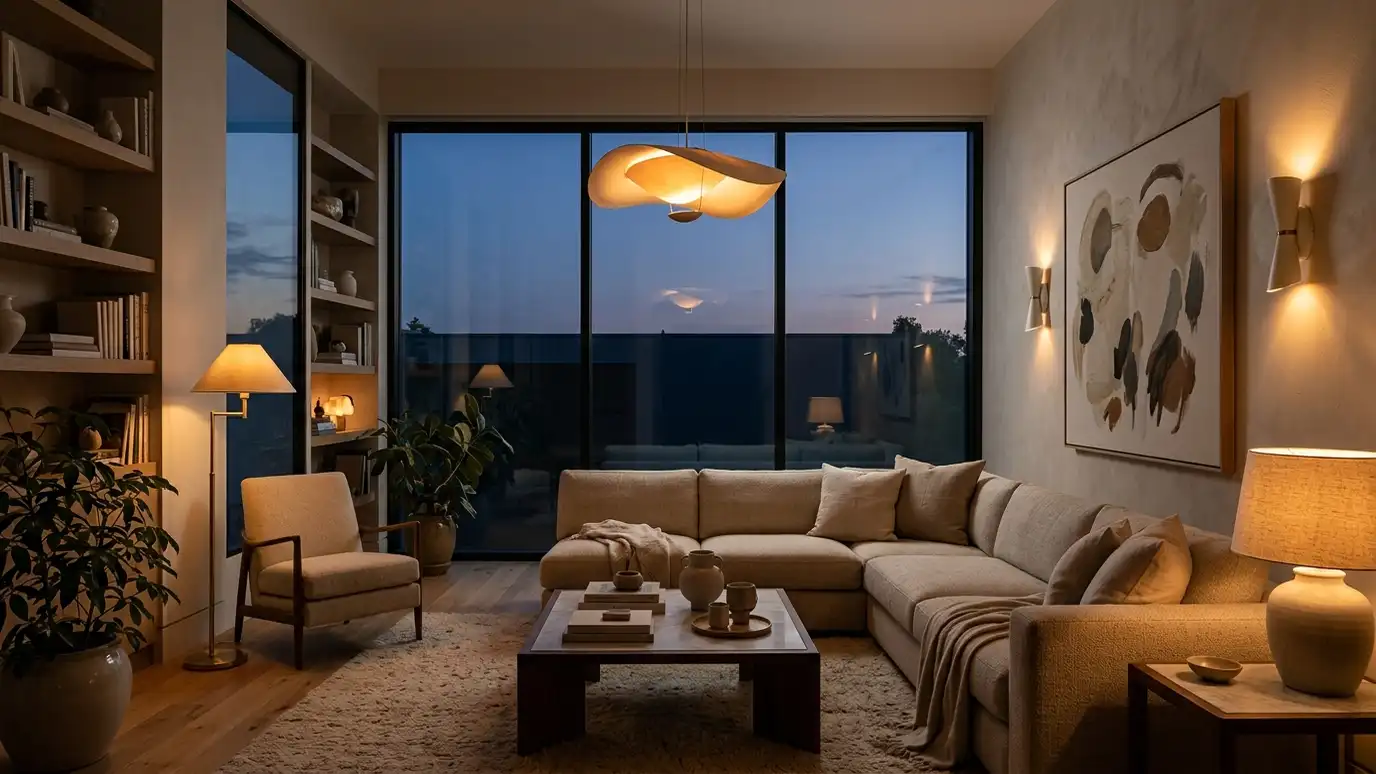
Efficient bulbs and fixtures, good use of daylight and window treatments that insulate can reduce energy use.
Choose appliances with energy labels where they fit your needs.
Plan lighting controls so lights are not left on unnecessarily.
Swap incandescent bulbs for efficient ones with a warm color and use dimmers to save energy and set a mood.
Reduce waste
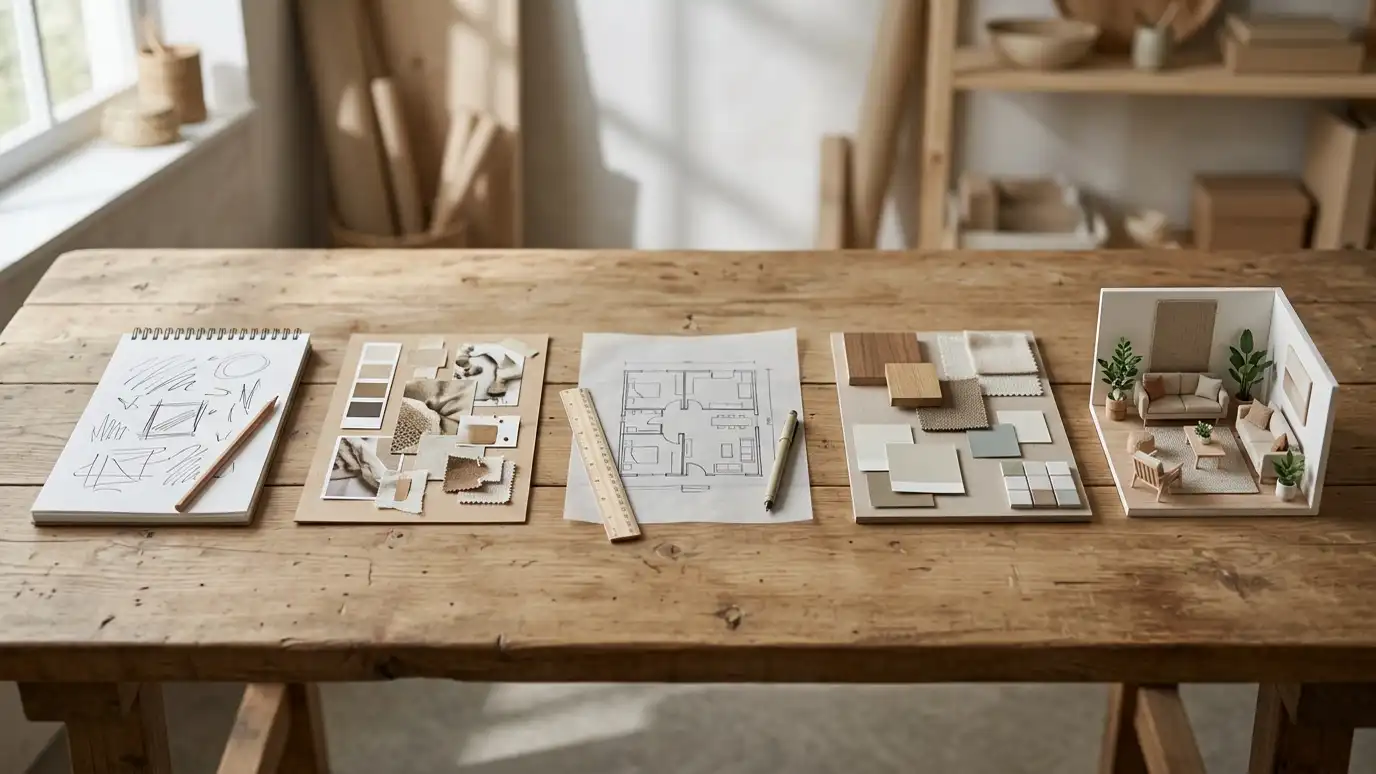
Plan carefully so you order the right amounts and sizes. Donate or sell items you replace, and recycle packaging.
Choose products with minimal packaging and long lifespans.
Keep records so you can repair and match items later.
Donate or resell items you replace so they stay in use, and recycle packaging when you can.
Balance goals
Sustainability is a set of trade-offs among cost, durability, health and appearance. A designer can help you decide where to focus.
You do not need a formal rating to make better choices.
Start with a few steps and build over time.
Choose one or two changes to start, such as low-emission paint and efficient lighting, and add more when you are ready.
Choose durable pieces, low-emission finishes, natural materials and efficient lighting, and repair or reuse before you replace.