Think in layers
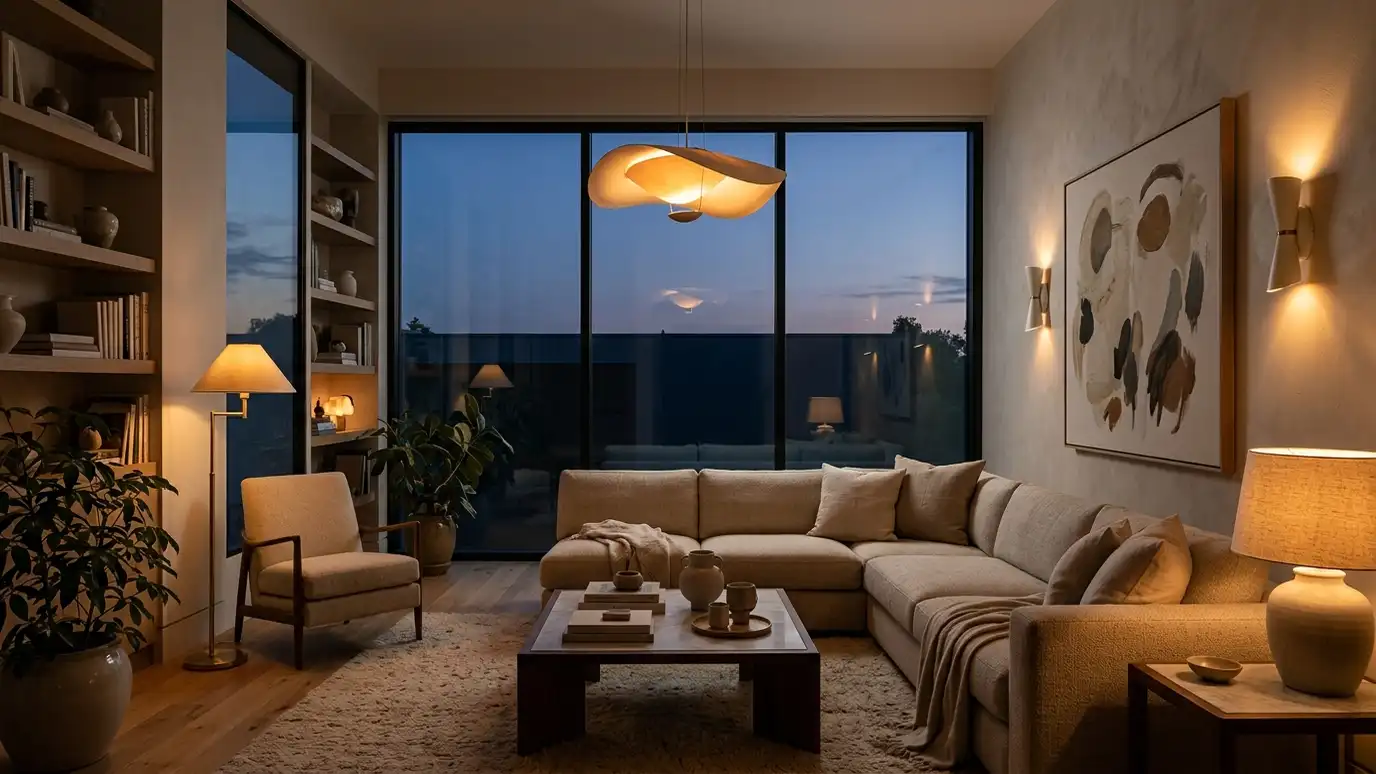
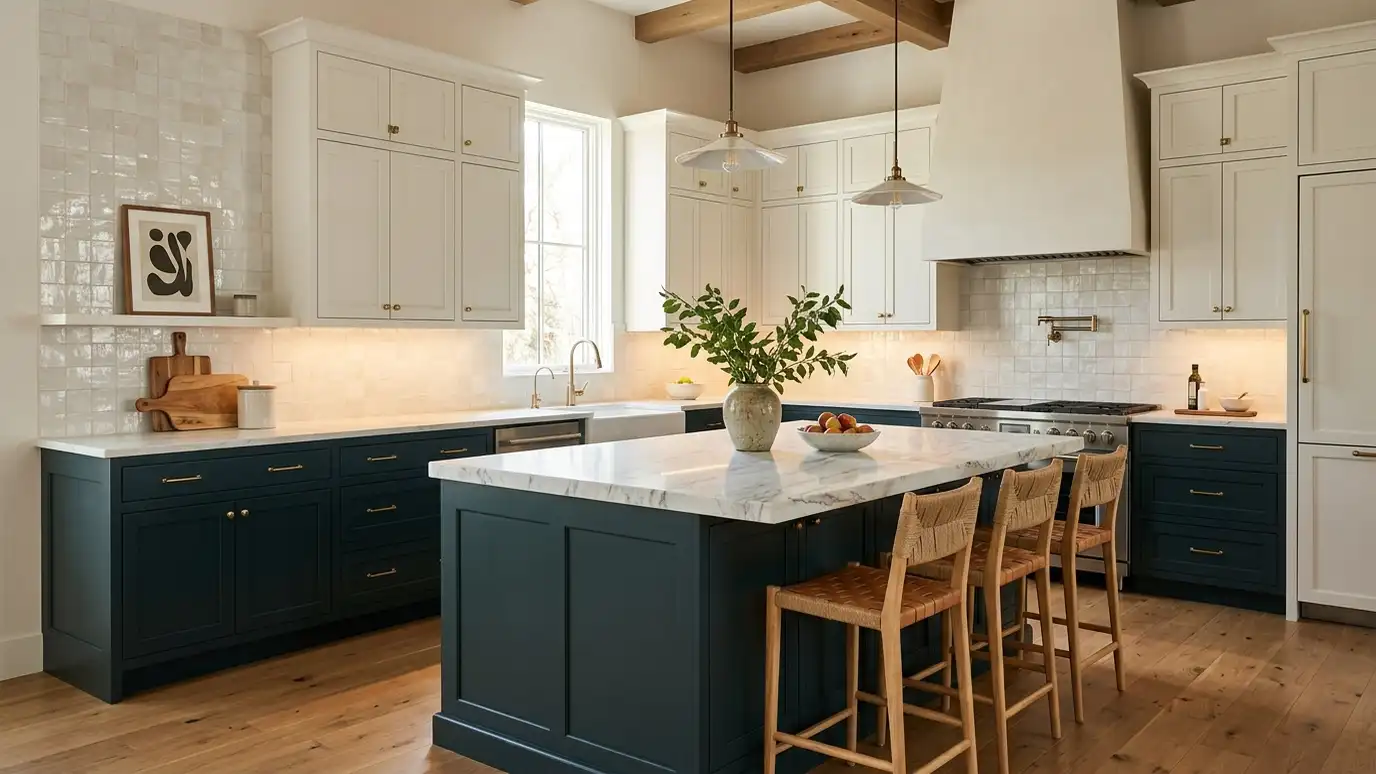
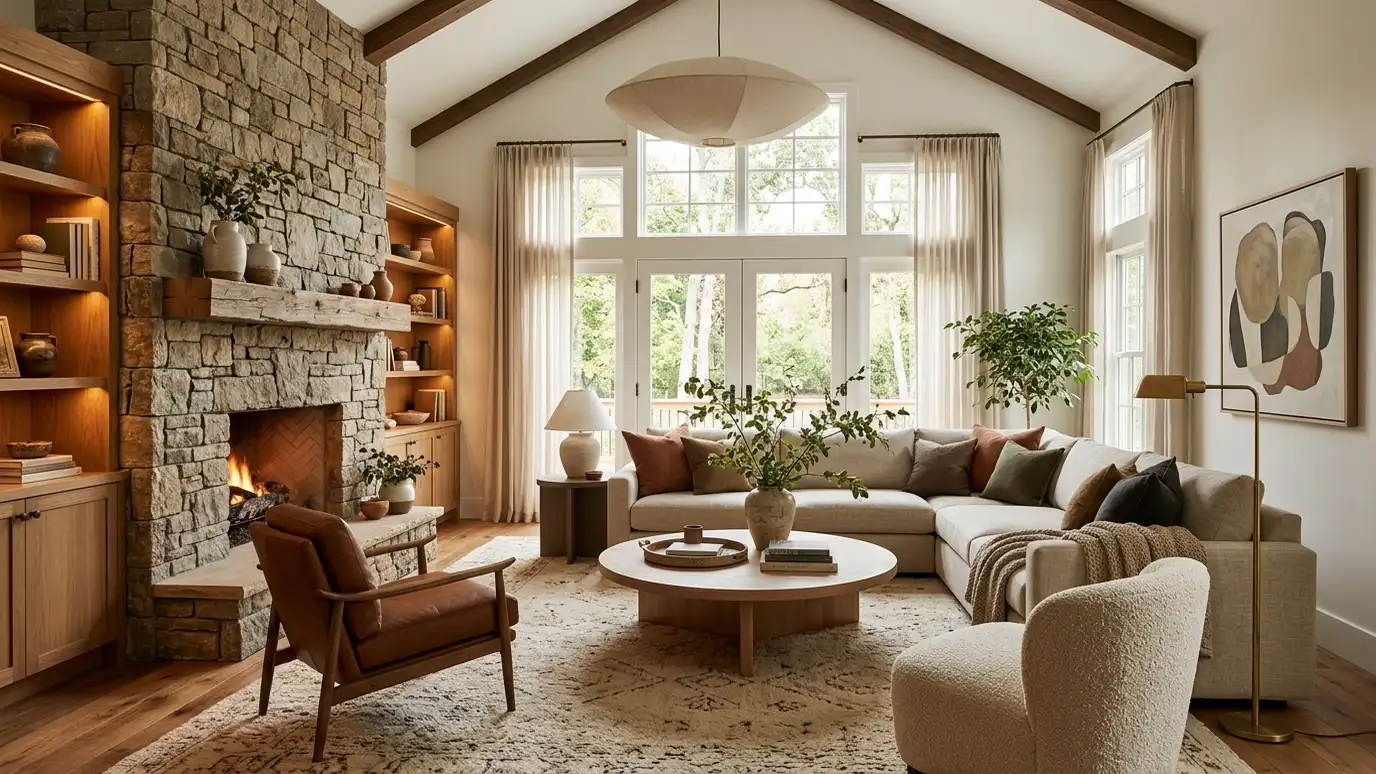
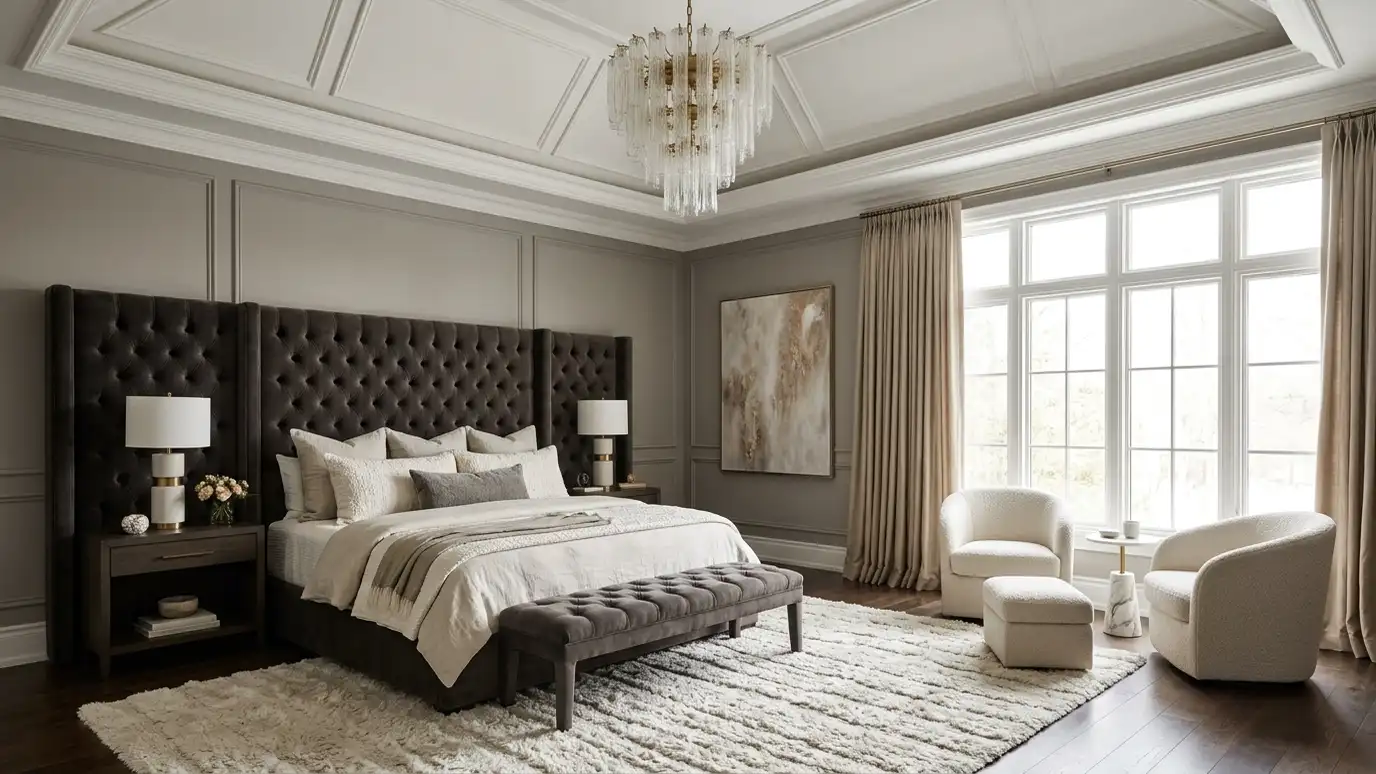
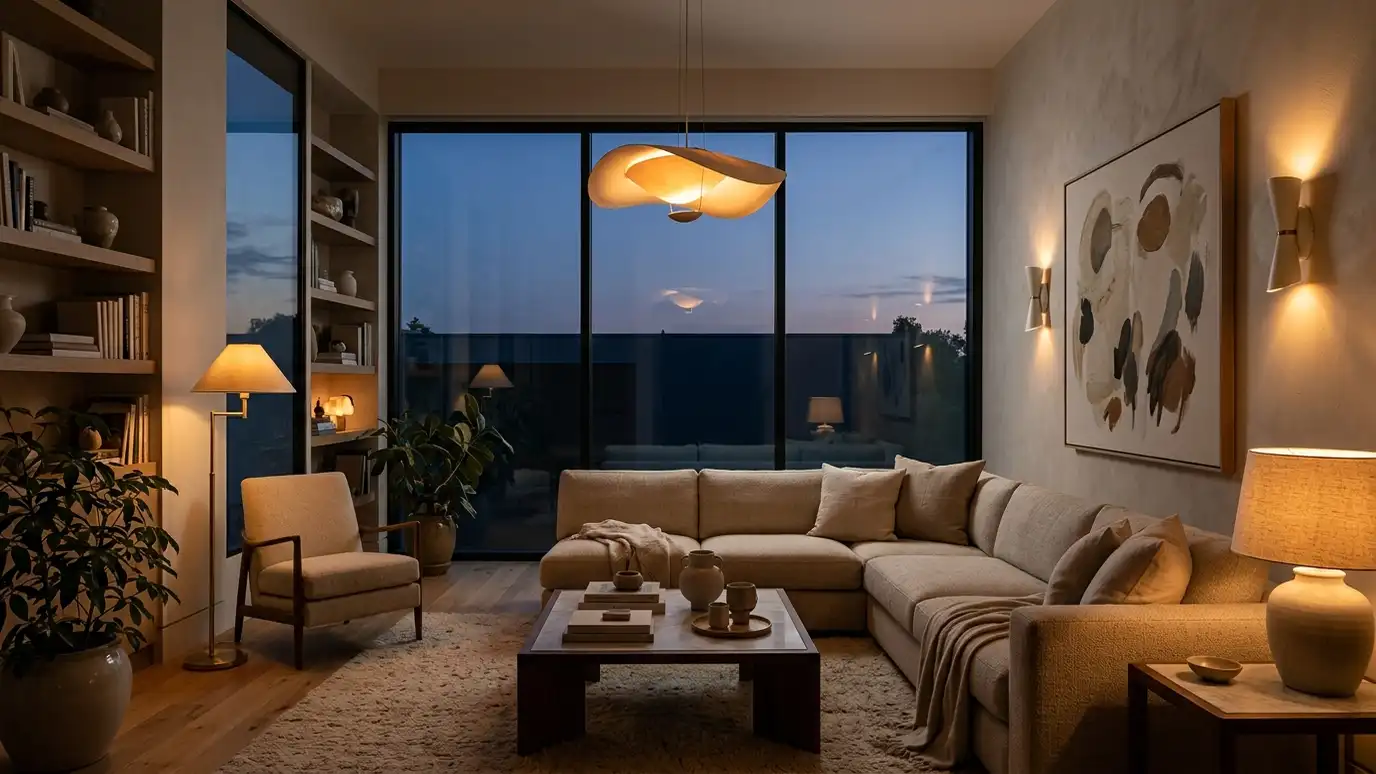
Every room benefits from four layers: ambient light that fills the room, task light for reading or cooking, accent light for art and architecture and decorative fixtures for style.
Start by listing what happens in the room, then choose lights for each activity.
A single ceiling fixture almost never does the job alone.
Walk through your home at night and notice where it is too dark, too bright or too flat. Take notes and photos to share with your designer.
Choose bulb color
Bulb color is measured in Kelvin. Lower numbers are warm and cozy, and higher numbers are cool and crisp. Many homes use warm tones in living areas and bedrooms and slightly cooler light in kitchens and work areas.
Use the same color temperature within a room to keep light consistent.
Check color accuracy, because some bulbs make fabrics and skin look dull.
Buy one bulb of each color temperature and try them in the same lamp. Your eye will tell you which feels right.
Mind brightness
Brightness is measured in lumens, not watts. Larger rooms and task areas need more light. Dimmers let you adjust for different uses.
Avoid glare by shielding bulbs and avoiding bare, bright sources at eye level.
Plan higher output where you read or work and softer light where you relax.
Check the lumens on the box rather than the watts. If a room feels dim, add sources instead of simply using a brighter bulb.
Pick the right fixtures
Choose scale carefully. A chandelier over a table should be about half to two-thirds the width of the table, and hung at a height that does not block views.
Mix finishes with a plan, repeating metals across the room.
Include wall sconces and lamps to add height and warmth.
Stand under the chandelier plan with a paper cutout of its size at the proposed height. Check sightlines from every seat.
Plan controls
Dimmers, multiple switches and smart controls make lighting flexible. Place switches where you naturally reach for them and group lights into zones.
Consider night paths with low-level lights for hallways and baths.
Plan outlets for lamps, so cords are tidy and accessible.
Test switch locations by imagining how you enter the room with your hands full. The switch should be where your hand naturally lands.
Do it early
The best time to plan lighting is before walls are closed in a remodel or new build. Mark fixture locations, switches and outlets on the plan.
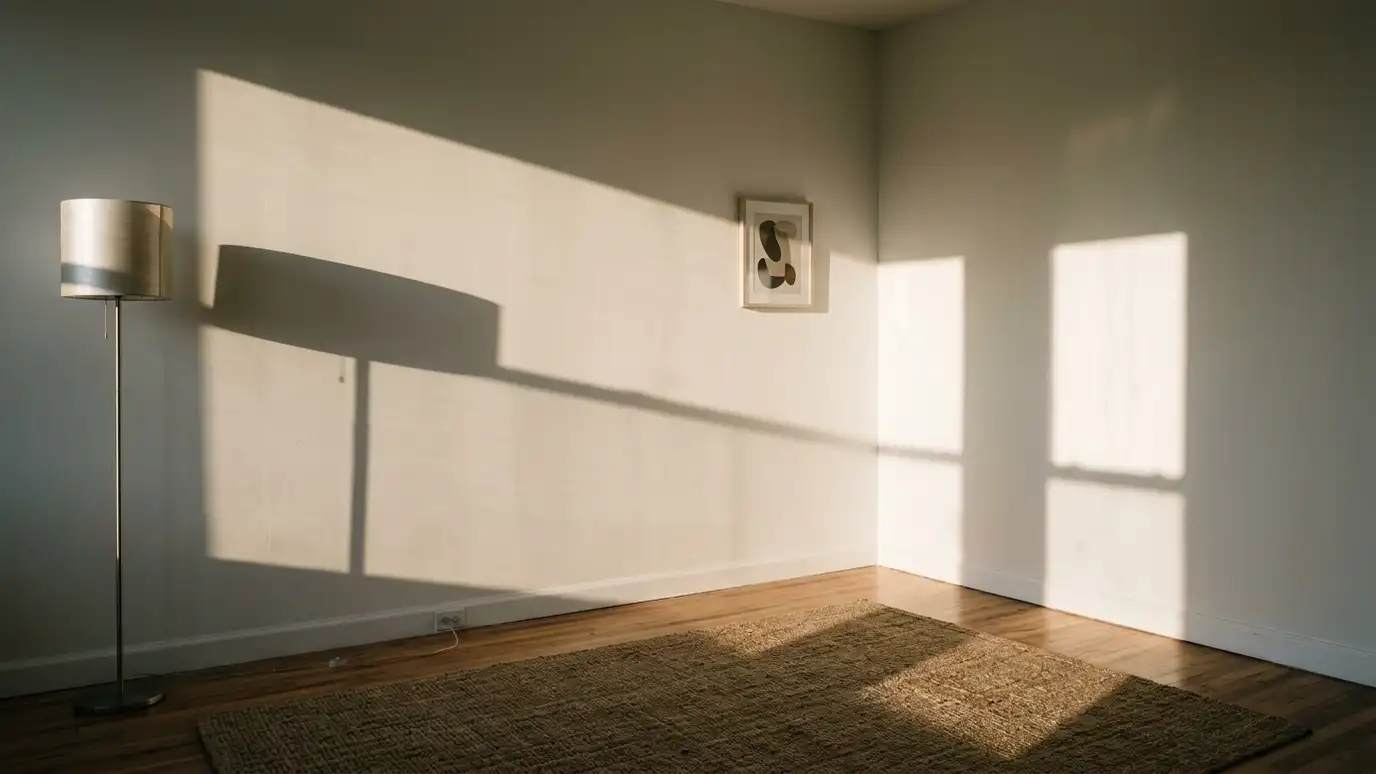
In older homes without ceiling fixtures, lamps and sconces can supply layers.
Ask an electrician to confirm what is safe and allowed.
Ask your electrician to confirm box locations, load and ceiling conditions before you buy fixtures.
Use four layers, choose warm bulbs for living spaces, add dimmers and plan fixtures and switches before the walls close.